About Us
At Meera's Align Physio-Care, we believe recovery is more than treating symptoms—it's about restoring the freedom to move, work, and live without pain. Pain and limited mobility don't just affect the body; they affect how you work, how you spend time with the people you love, and how you show up for your own life. That's the change we're here to help you make.
With over 10 years of experience, our multi-specialty physiotherapy center brings together evidence-based techniques, modern treatment methods, and genuine, personalized care to help you heal the right way. We don't believe in rushing recovery or applying generic solutions. Every patient who walks through our doors is evaluated individually, because no two bodies—and no two injuries—are exactly alike.
Conveniently located in Sanwer, our clinic is committed to bringing quality, accessible physiotherapy care closer to home—so you don't have to travel far to receive expert treatment. From your very first visit, you're not just another patient on a schedule; you're someone we're genuinely invested in helping heal, one step at a time.
Because here, you can truly feel the change.
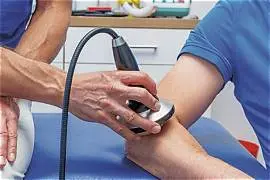
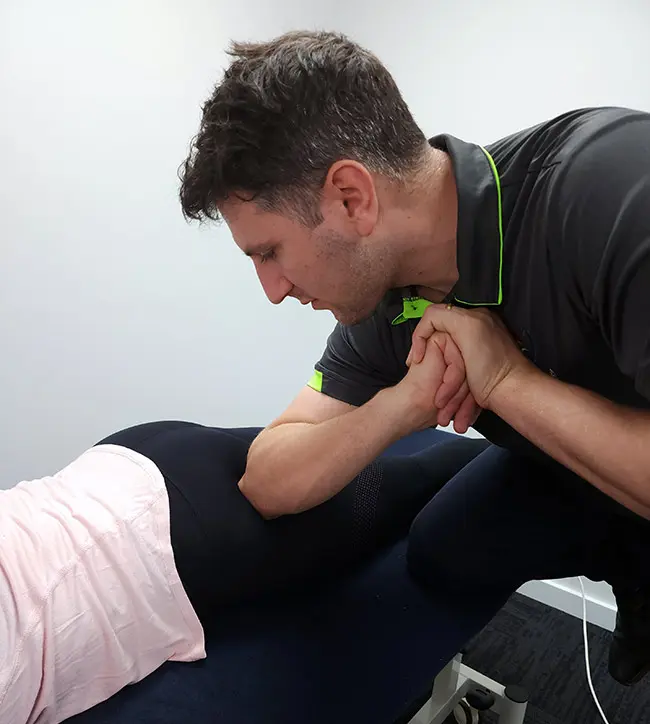

Diathermy
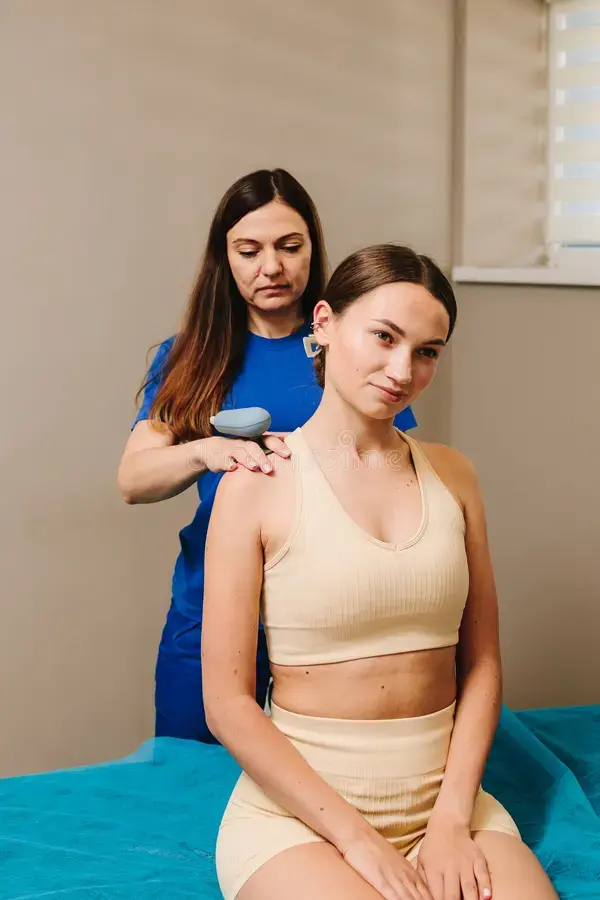
Diathermy
Diathermy is a therapeutic physiotherapy treatment that uses high-frequency electrical, electromagnetic, or radio-frequency energy to generate controlled heat within the body's tissues. Unlike superficial heat treatments that mainly warm the skin and tissues close to the surface, diathermy can deliver therapeutic warmth to deeper areas, making it a useful treatment option for certain muscle, joint, and soft-tissue conditions.
During treatment, the physiotherapist targets the affected area using specialized diathermy equipment. The controlled energy gently increases tissue temperature, which may help improve local blood circulation, reduce muscle tension, and promote relaxation of stiff tissues. This can make movement more comfortable and help prepare the body for other physiotherapy techniques such as stretching, manual therapy, and therapeutic exercises.
Diathermy may be incorporated into treatment plans for conditions involving neck pain, back pain, shoulder pain, joint stiffness, muscle tightness, sports injuries, and certain soft-tissue problems. It can be particularly useful when stiffness or muscle tension is limiting normal movement and affecting daily activities.
How Diathermy May Help
The controlled therapeutic heat produced during diathermy can help increase circulation in the treated area. Improved circulation may support the delivery of oxygen and nutrients to tissues while assisting the body's natural recovery processes. The warming effect can also help relax tight muscles and improve the flexibility of surrounding soft tissues.
For patients experiencing stiffness, this relaxation may make it easier to perform prescribed exercises and movement-based rehabilitation. When combined with an appropriate physiotherapy program, diathermy can therefore be used as a supportive treatment to help manage pain, improve mobility, and facilitate rehabilitation.
Conditions That May Benefit
Depending on the patient's condition and clinical assessment, diathermy may be used as part of physiotherapy treatment for:
- Neck and upper-back stiffness
- Lower back pain
- Shoulder stiffness and discomfort
- Muscle tightness and spasms
- Joint stiffness
- Sports-related muscle injuries
- Soft-tissue injuries
- Certain chronic pain conditions
- Reduced mobility associated with muscle and joint stiffness
What to Expect During Treatment
Before beginning treatment, the physiotherapist assesses the patient's condition and determines whether diathermy is appropriate. The treatment area is positioned comfortably, and the physiotherapist places or positions the equipment according to the type of diathermy being used.
The intensity and duration of treatment are adjusted according to the individual's condition and treatment requirements. Patients generally experience a gentle warming sensation rather than excessive heat. The physiotherapist monitors the treatment to ensure that it remains comfortable and appropriate throughout the session.
Diathermy is generally used as one component of a complete physiotherapy program, rather than as a standalone solution. Depending on the patient's needs, it may be combined with stretching, strengthening exercises, mobility exercises, manual therapy, posture correction, or other rehabilitation techniques.
Why Choose Diathermy as Part of Physiotherapy?
When appropriately prescribed, diathermy can provide a useful therapeutic heating effect that helps prepare muscles and soft tissues for rehabilitation. By addressing stiffness and muscle tension, it may help patients participate more comfortably in their exercise and movement program.
At our physiotherapy clinic, treatment is selected based on the patient's symptoms, physical assessment, medical history, and rehabilitation goals. Diathermy is provided under professional supervision with the aim of supporting pain management, mobility, and functional recovery.
Tennis Elbow Rehabilitation
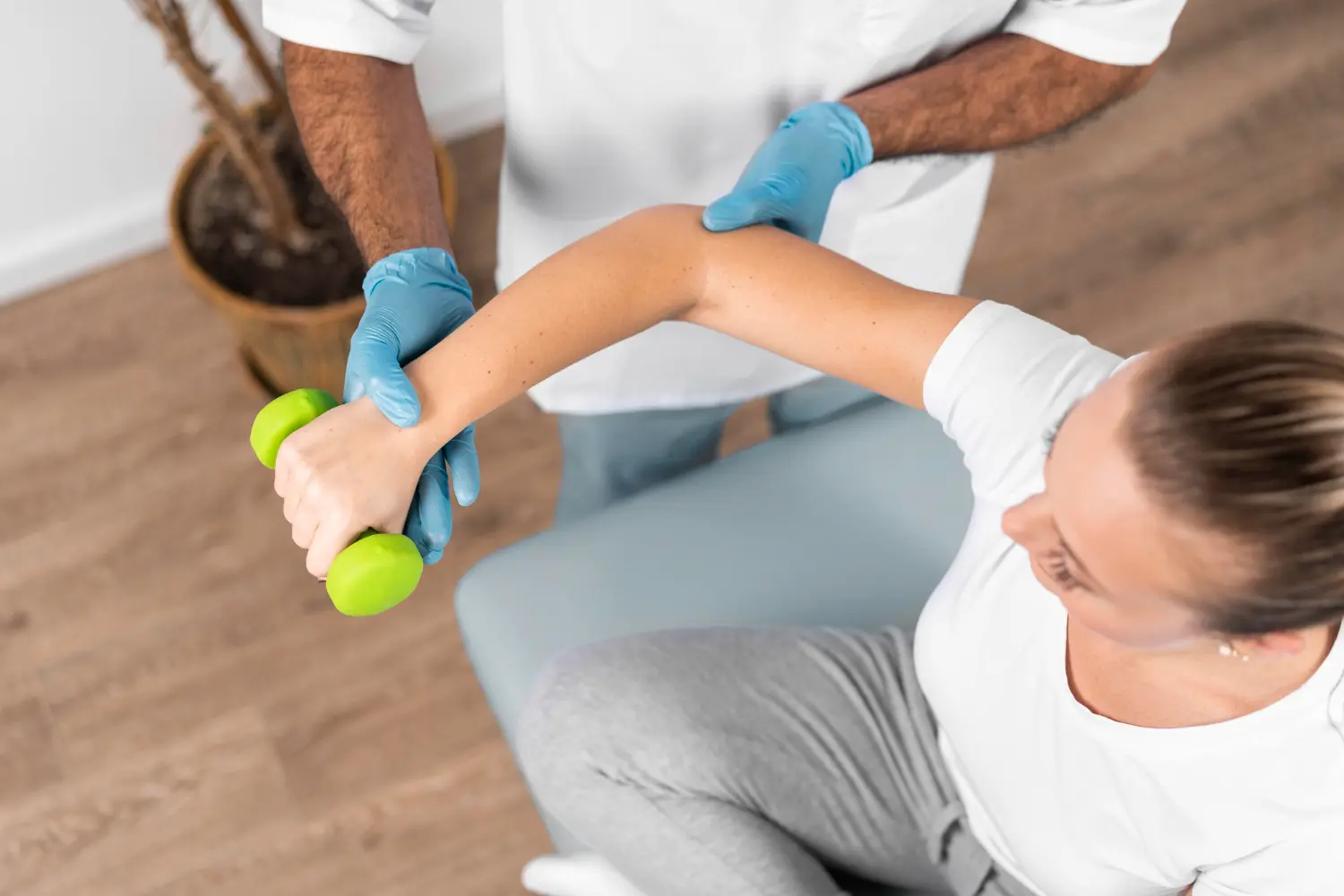
Tennis Elbow Rehabilitation
Tennis Elbow Rehabilitation is a structured physiotherapy program designed to reduce pain, restore strength and flexibility, and improve the function of the elbow and forearm. Despite its name, tennis elbow is not limited to tennis players. It commonly involves irritation or overload of the tendons on the outer side of the elbow and can occur in people who frequently use their hands and wrists for work, exercise, sports, or repetitive activities.
The rehabilitation process focuses on more than simply reducing pain. It aims to gradually improve the capacity of the affected muscles and tendons to tolerate everyday activities and physical loads while addressing contributing factors such as poor movement patterns, excessive repetitive loading, weakness, or inadequate recovery.
How Tennis Elbow Rehabilitation Works
The physiotherapist begins with an assessment of your pain, elbow and wrist movement, grip strength, muscle flexibility, functional limitations, and the activities that may be aggravating your symptoms.
Based on the assessment, a progressive rehabilitation program is developed. Early treatment may focus on reducing aggravating activities, maintaining comfortable movement, and managing symptoms. As symptoms improve, strengthening exercises are gradually introduced to improve the capacity of the wrist and forearm muscles.
The level of resistance and exercise difficulty is progressively increased according to your response. This gradual loading approach helps prepare the tissues for everyday activities, work, exercise, and sports.
Conditions That May Benefit
Tennis elbow rehabilitation may be appropriate for patients experiencing:
- Pain on the outer side of the elbow
- Forearm muscle tightness
- Reduced grip strength
- Pain while gripping or lifting objects
- Discomfort during wrist movements
- Repetitive strain-related elbow problems
- Sports-related elbow pain
- Work-related overuse symptoms
- Difficulty performing daily hand and arm activities
Key Components of Rehabilitation
A personalized tennis elbow rehabilitation program may include:
Pain and Activity Management:
Identifying movements and activities that aggravate symptoms and modifying them appropriately while maintaining suitable levels of activity.
Wrist and Forearm Exercises:
Progressive exercises designed to improve the strength and endurance of the muscles that control the wrist and forearm.
Grip Strengthening:
Controlled gripping exercises may be introduced as symptoms allow to improve functional hand strength.
Stretching and Mobility:
Appropriate stretching and mobility exercises may help maintain flexibility in the wrist, forearm, and elbow.
Eccentric and Progressive Strengthening:
Gradually increasing resistance can help improve the ability of the affected tissues to tolerate physical loading.
Manual Therapy:
Techniques such as soft-tissue therapy, joint mobilization, or other hands-on approaches may be incorporated when clinically appropriate.
Functional Rehabilitation:
Exercises can be progressed toward the specific activities that are important to the patient, including work tasks, exercise, or sports.
Benefits of Tennis Elbow Rehabilitation
A structured rehabilitation program may help:
- Reduce elbow discomfort
- Improve grip strength
- Restore wrist and forearm strength
- Improve flexibility and mobility
- Increase tolerance to daily activities
- Improve arm function
- Reduce movement-related limitations
- Support a gradual return to exercise and sports
- Improve confidence when using the affected arm
What to Expect During Treatment
Your physiotherapist will monitor your symptoms and physical performance throughout the rehabilitation process. Exercises are introduced at an appropriate level and gradually progressed as your strength and tolerance improve.
You may begin with simple mobility and low-load strengthening exercises before progressing to resistance-band exercises, weights, grip training, and functional movements. The program may also include guidance on workstation setup, lifting techniques, repetitive activities, and ways to manage physical load.
Your home exercise program is an important part of rehabilitation, as consistent and progressive exercise helps build the strength and capacity required for long-term recovery.
Return to Work, Exercise, and Sports
For people whose symptoms are related to work or sport, rehabilitation can gradually progress toward the specific demands of their activity. Tennis players and other athletes may eventually perform racket-control exercises, gripping activities, forearm strengthening, and sport-specific drills.
The physiotherapist can assess strength, movement quality, grip capacity, and tolerance to activity before progressing the patient toward higher physical demands.
Personalized Tennis Elbow Rehabilitation
Every case of tennis elbow can present differently, so the rehabilitation program should be adapted to the individual's symptoms, physical demands, and recovery goals.
At our physiotherapy clinic, Tennis Elbow Rehabilitation combines progressive strengthening, mobility exercises, activity guidance, and appropriate manual therapy to help restore elbow and forearm function. Our goal is to help you gradually return to comfortable daily activities, work, exercise, and sports while improving the strength and capacity of the affected arm.
Cervical Traction Therapy
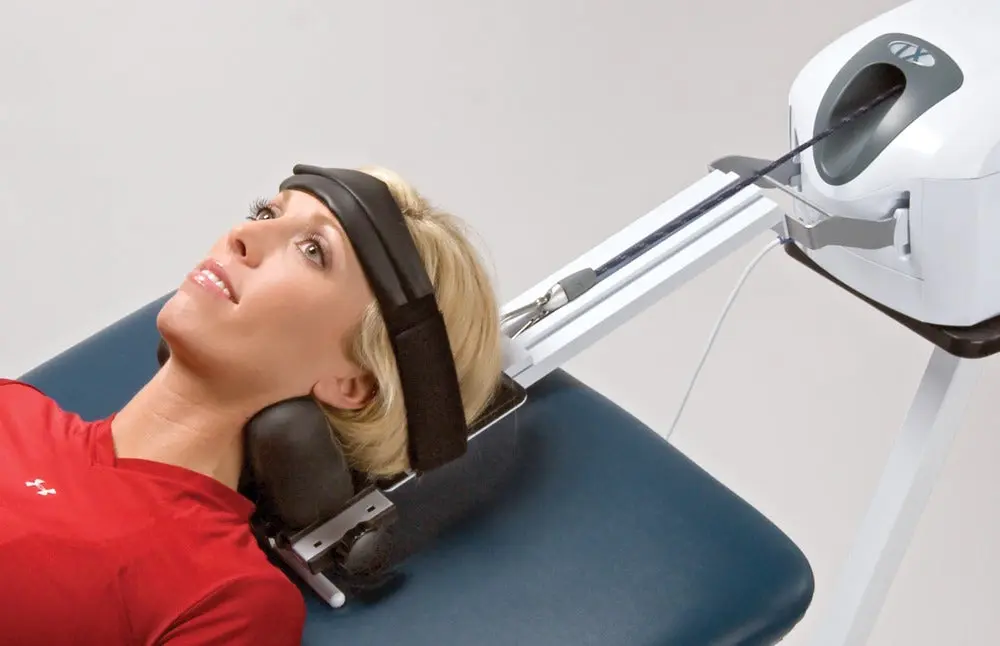
Cervical Traction Therapy
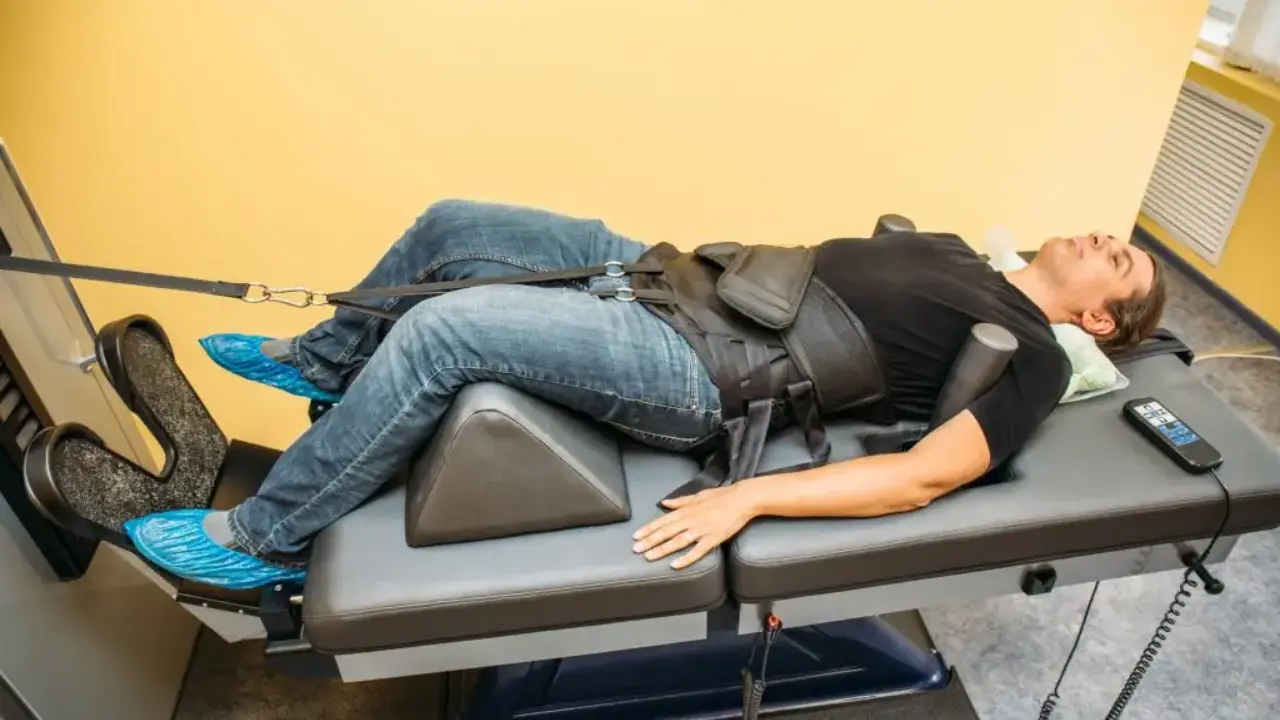
Cervical Traction Therapy is a physiotherapy technique used to gently stretch and unload the structures of the neck. It involves applying a controlled pulling force to the cervical spine to create a gentle separation between the vertebrae. This may help reduce pressure on irritated structures, decrease muscle tension, improve neck mobility, and provide relief from certain types of neck pain.
Cervical traction can be performed manually by a physiotherapist or with a specialized traction device. The technique, amount of force, duration, and position are carefully selected according to the patient's symptoms, physical assessment, and treatment goals.
How Cervical Traction Works
The cervical spine consists of several small vertebrae, discs, joints, muscles, and supporting tissues. Muscle tightness, prolonged poor posture, age-related changes, or certain injuries can contribute to discomfort and restricted neck movement.
During traction, a gentle and controlled force is applied along the natural direction of the neck. This may temporarily reduce compressive loading on certain spinal structures and help relax surrounding muscles. The treatment can also create a gentle stretching sensation that may help improve comfort and mobility.
Cervical traction is not intended to forcefully manipulate the neck. Instead, it provides a controlled and gradual stretching effect under physiotherapy supervision.
Conditions That May Benefit
Depending on the patient's assessment, cervical traction may be incorporated into physiotherapy treatment for:
- Neck pain and stiffness
- Cervical muscle tightness
- Restricted neck movement
- Certain cervical disc-related conditions
- Cervical nerve irritation
- Pain extending from the neck toward the shoulder or arm
- Postural neck discomfort
- Certain degenerative cervical spine conditions
- Muscle spasm associated with neck problems
Benefits of Cervical Traction
When clinically appropriate, cervical traction may help:
- Reduce neck discomfort
- Relieve muscle tension
- Improve cervical mobility
- Provide temporary unloading of spinal structures
- Reduce feelings of stiffness
- Improve comfort during neck movements
- Support posture and movement rehabilitation
- Make therapeutic exercises easier to perform
What to Expect During Treatment
Before beginning cervical traction, the physiotherapist performs a detailed assessment of your neck movement, symptoms, posture, muscle condition, and neurological signs when appropriate. This helps determine whether traction is suitable for your condition.
During treatment, you are positioned comfortably, and the physiotherapist applies a carefully controlled traction force. Depending on your treatment plan, traction may be applied manually or using a mechanical traction unit.
You may feel a gentle pulling or stretching sensation around your neck. The treatment should be performed within a comfortable and clinically appropriate range. The physiotherapist monitors your response and can adjust the force, duration, and position when necessary.
Cervical Traction as Part of Physiotherapy
Cervical traction is generally used as one part of a comprehensive physiotherapy program rather than as a standalone treatment. Your physiotherapist may combine traction with manual therapy, posture correction, neck mobility exercises, stretching, strengthening exercises, and ergonomic advice.
The treatment approach is individualized according to the underlying cause of your symptoms and your rehabilitation goals. Regular assessment helps determine whether traction is providing a useful response and whether the treatment plan needs to be modified.
At our physiotherapy clinic, Cervical Traction Therapy is provided following an individual assessment and under professional supervision. Our goal is to help reduce neck discomfort, improve mobility, and support a safe return to comfortable daily movement and activities.
Cyriax Therapy
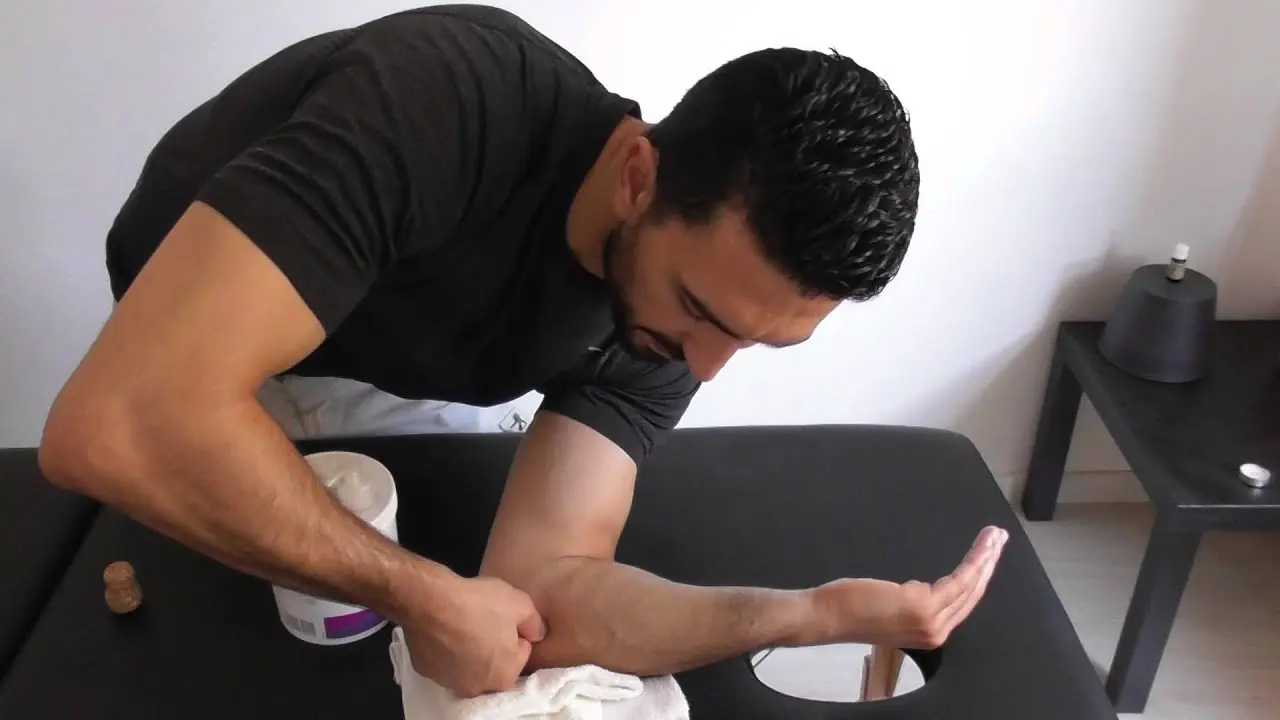
Cyriax Therapy
Cyriax Therapy, also known as Cyriax Orthopaedic Therapy, is a specialized manual physiotherapy approach developed around the assessment and treatment of musculoskeletal and soft-tissue disorders. It focuses on identifying the specific structure contributing to pain or movement restriction and applying targeted manual techniques based on the clinical findings.
The approach is particularly associated with deep transverse friction massage, selective tissue examination, and specific joint mobilization techniques. Rather than treating an entire area in the same way, the physiotherapist evaluates the patient's symptoms and movement patterns to determine which tissues may require focused treatment.
How Cyriax Therapy Works
Cyriax-based treatment begins with a detailed physical assessment. The physiotherapist examines the patient's pain location, movement limitations, muscle and tendon function, and response to specific movements or resistance.
Once the suspected tissue or movement restriction is identified, appropriate manual techniques may be applied. One of the commonly recognized techniques within the Cyriax approach is deep transverse friction, where controlled pressure is applied across the direction of a tendon, ligament, or other soft tissue.
Joint mobilization may also be incorporated when restricted joint movement contributes to the patient's symptoms. The intensity and duration of treatment are adjusted according to the patient's condition and clinical response.
Conditions That May Benefit
Depending on the physiotherapist's assessment, Cyriax Therapy may be incorporated into rehabilitation for:
- Tendon-related conditions
- Ligament injuries
- Muscle strains
- Soft-tissue injuries
- Sports-related injuries
- Joint stiffness
- Restricted movement
- Certain overuse injuries
- Chronic soft-tissue problems
- Musculoskeletal pain conditions
Benefits of Cyriax Therapy
When appropriately selected, Cyriax-based techniques may help:
- Improve soft-tissue mobility
- Reduce stiffness
- Improve joint movement
- Address localized tissue restrictions
- Improve flexibility
- Support recovery following certain soft-tissue injuries
- Improve comfortable movement
- Prepare affected tissues for rehabilitation exercises
The approach is generally used alongside active rehabilitation rather than as a replacement for strengthening and movement-based therapy.
What to Expect During Treatment
Before treatment, the physiotherapist performs a detailed assessment to determine the likely source of your symptoms. This may include testing active and passive movements, muscle strength, resisted movements, and specific areas of tenderness.
If manual treatment is considered appropriate, the physiotherapist selects the technique based on the assessment. Treatment may involve targeted soft-tissue work, deep transverse friction, or joint mobilization.
You may experience pressure or mild tenderness during some techniques. The physiotherapist adjusts the intensity according to your condition and tolerance and monitors your response throughout the session.
Cyriax Therapy for Sports Injuries
Cyriax techniques can be incorporated into rehabilitation for athletes dealing with certain tendon, ligament, muscle, or other soft-tissue problems. Athletes often require a progressive rehabilitation program that restores strength, flexibility, coordination, and the ability to tolerate sport-specific loads.
For this reason, manual techniques may be combined with strength training, stretching, mobility exercises, balance work, functional exercises, and sport-specific rehabilitation.
Cyriax Therapy as Part of Rehabilitation
Cyriax Therapy is most appropriately used as part of an individualized physiotherapy program. Following manual treatment, your physiotherapist may prescribe exercises to improve strength, flexibility, movement control, and tissue capacity.
The treatment approach is adjusted according to your symptoms and progress rather than following the same technique for every patient.
At our physiotherapy clinic, Cyriax Therapy is provided following a professional assessment and under trained physiotherapy supervision. Treatment is tailored to the affected tissues and your rehabilitation goals, with the aim of improving mobility, managing musculoskeletal discomfort, and supporting a progressive return to normal activities, exercise, and sports.
Paraffin Wax Therapy
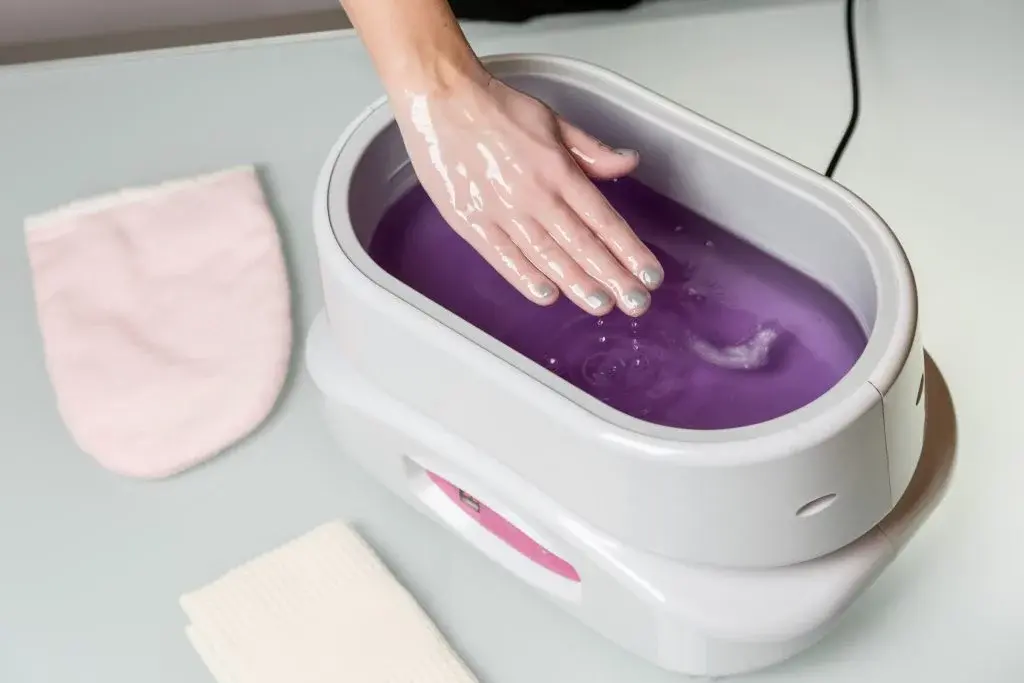
Paraffin Wax Therapy
Paraffin Wax Therapy is a therapeutic heat treatment commonly used in physiotherapy to help manage pain, stiffness, and reduced mobility, particularly in the hands, wrists, feet, and other smaller joints. It involves applying warm, specially prepared paraffin wax to the affected area. The gentle heat produced by the wax penetrates the superficial tissues and may help improve circulation, relax tight muscles, and make stiff joints easier to move.
This treatment can be particularly useful for patients experiencing stiffness in the hands and fingers, where movement may become uncomfortable due to joint or soft-tissue problems. The warmth provided by paraffin wax can help prepare the affected area for stretching, mobility exercises, and other physiotherapy techniques.
How Paraffin Wax Therapy May Help
Warm paraffin wax surrounds the treatment area and provides consistent therapeutic heat. This warming effect can help increase local circulation and reduce the feeling of stiffness in muscles and joints. It may also help relax tight soft tissues, making movement and therapeutic exercises more comfortable.
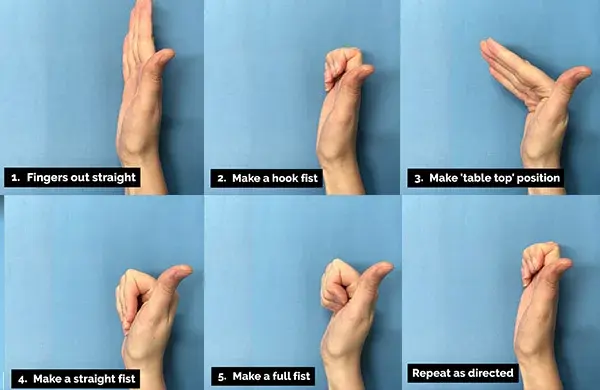
For patients with stiff fingers or hands, the treatment may be followed by gentle active or passive movements to take advantage of the temporary improvement in flexibility.
Conditions That May Benefit
Depending on the patient's assessment, Paraffin Wax Therapy may be used as part of physiotherapy treatment for:
- Hand and finger stiffness
- Wrist stiffness
- Joint stiffness
- Arthritis-related stiffness and discomfort
- Muscle tightness
- Reduced range of motion
- Chronic hand or foot discomfort
- Soft-tissue tightness
- Recovery following certain injuries
What to Expect During Treatment
Before treatment, the physiotherapist examines the affected area and determines whether paraffin wax therapy is appropriate. The treatment area is prepared, and warm therapeutic paraffin wax is applied using an appropriate technique.
The wax forms a warm layer around the treated area, allowing heat to be transferred gradually to the superficial tissues. Patients generally experience a comfortable warming sensation. The wax is kept on the area for a period determined by the physiotherapist and is then carefully removed.
After the treatment, the physiotherapist may recommend gentle stretching, range-of-motion exercises, or other therapeutic movements to help maintain the improved flexibility.
Benefits of Paraffin Wax Therapy
When appropriately prescribed, paraffin wax therapy may help:
- Reduce the sensation of stiffness
- Improve flexibility and range of motion
- Relax tight muscles and soft tissues
- Improve local circulation
- Make movement more comfortable
- Prepare joints and tissues for exercise
- Support an overall physiotherapy rehabilitation program
Paraffin Wax Therapy as Part of Physiotherapy
Paraffin Wax Therapy is generally used as a supportive treatment rather than a standalone cure. Your physiotherapist may combine it with manual therapy, stretching, strengthening exercises, joint mobilization, and functional rehabilitation according to your condition.
At our physiotherapy clinic, treatment is selected after an individual assessment and provided under professional supervision. The aim is to help manage stiffness and discomfort, improve mobility, and make therapeutic exercises more comfortable as part of a personalized rehabilitation plan.
Ankle Joint Mobilization
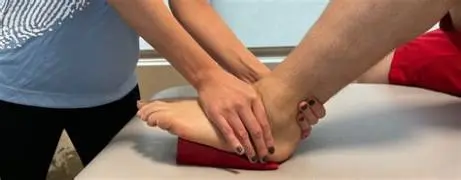
Ankle Joint Mobilization
Ankle Joint Mobilization is a hands-on physiotherapy technique used to improve the mobility, flexibility, and functional movement of the ankle joint. The ankle plays an important role in walking, running, jumping, climbing stairs, maintaining balance, and absorbing forces during everyday activities. Following an injury, prolonged immobilization, surgery, or periods of reduced movement, ankle stiffness can develop and affect normal movement patterns.
During ankle joint mobilization, a trained physiotherapist applies controlled manual movements to the ankle and surrounding joints. The technique is selected according to the patient's condition, movement limitations, symptoms, and rehabilitation goals.
How Ankle Joint Mobilization Works
The physiotherapist first evaluates ankle movement, joint range of motion, muscle flexibility, swelling, strength, balance, and functional activities such as walking or squatting.
Once a restriction is identified, the therapist stabilizes the appropriate structures and applies specific manual movements. These may include gentle joint gliding, traction, oscillatory movements, or passive range-of-motion techniques.
The direction and intensity of mobilization are carefully selected based on the type of restriction and the patient's tolerance. The aim is to improve comfortable movement without unnecessarily stressing the joint.
Conditions That May Benefit
Depending on the clinical assessment, ankle joint mobilization may be incorporated into rehabilitation for:
- Ankle stiffness
- Reduced ankle range of motion
- Ankle sprain rehabilitation
- Post-injury joint stiffness
- Recovery following appropriate ankle surgery
- Stiffness following immobilization
- Certain sports-related ankle injuries
- Reduced dorsiflexion
- Walking-related movement restrictions
- Functional balance and mobility problems
Benefits of Ankle Joint Mobilization
When clinically appropriate, ankle mobilization may help:
- Improve ankle joint mobility
- Increase comfortable range of motion
- Reduce stiffness
- Improve ankle flexibility
- Support better walking mechanics
- Improve movement during squatting and stair activities
- Prepare the ankle for strengthening exercises
- Support balance and functional rehabilitation
- Assist with a gradual return to physical activity
Improved ankle mobility can be particularly important for activities that require the ankle to move forward over the foot, such as walking, running, and squatting.
What to Expect During Treatment
Before treatment, the physiotherapist assesses the ankle and identifies specific movements that are restricted.
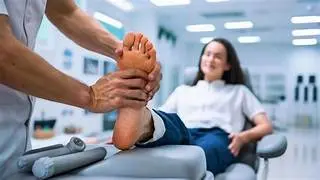
You will be positioned comfortably while the therapist supports your lower leg and foot. Controlled manual movements are then applied to the appropriate joint.
You may feel gentle pressure, stretching, or movement around the ankle. The therapist monitors your response and adjusts the technique according to your symptoms and tolerance.
Ankle Mobilization After an Ankle Sprain
Ankle sprains can sometimes result in swelling, stiffness, reduced range of motion, and difficulty placing weight through the affected leg. Once appropriate for the stage of healing, joint mobilization may be incorporated into rehabilitation to help restore movement.
Treatment is typically combined with ankle strengthening, balance training, proprioception exercises, and progressive weight-bearing activities to restore overall ankle function.
Ankle Mobilization After Immobilization
After a period of casting, bracing, or reduced movement, the ankle may become stiff and the surrounding muscles may become weaker.
Rehabilitation can gradually restore mobility and strength through a combination of joint mobilization, active range-of-motion exercises, stretching, strengthening, and functional activities.
The timing and intensity of manual treatment depend on the underlying injury and healing stage.
Ankle Mobilization for Sports Rehabilitation
Athletes require good ankle mobility and control for running, jumping, landing, cutting, and rapid changes of direction. Restricted ankle movement can affect lower-limb mechanics and make certain movements more difficult.
For athletes, ankle mobilization may be combined with calf strengthening, foot exercises, balance training, proprioception, agility drills, and sport-specific rehabilitation.
Ankle Joint Mobilization and Exercise Therapy
Manual treatment is generally used alongside active rehabilitation. Your physiotherapist may prescribe exercises such as:
- Ankle range-of-motion exercises
- Calf stretching
- Calf raises
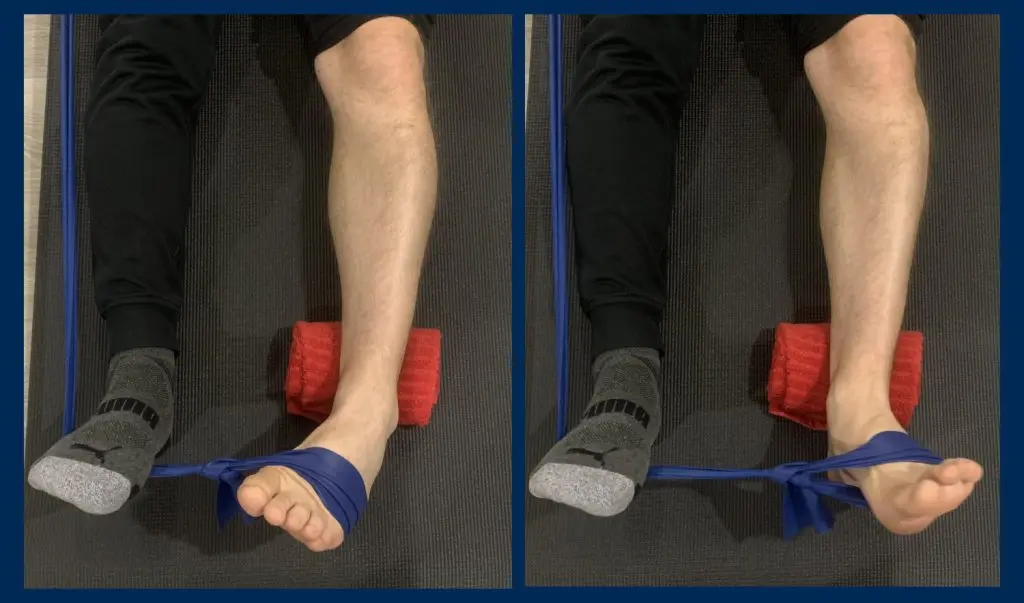
- Resistance-band ankle exercises
- Single-leg balance
- Proprioception exercises
- Step and functional exercises
- Gait retraining
These exercises help maintain mobility and develop the strength and control required for everyday activities.
Personalized Ankle Joint Mobilization
Not every ankle problem requires the same mobilization technique. The appropriate approach depends on the type of injury, joint mobility, symptoms, healing stage, and functional requirements.
At our physiotherapy clinic, Ankle Joint Mobilization is provided following an individual assessment and under professional supervision. Treatment is tailored to your condition with the aim of improving ankle mobility, reducing stiffness, restoring functional movement, and supporting a safe return to walking, work, exercise, and sports.
Team
Meet Our Physiotherapy Experts

Dr. Akshay Pal

Dr. Yashika Rajesh Mishra

Dr. Vaishali Kaithwas PT