Diathermy
Diathermy is a therapeutic physiotherapy treatment that uses high-frequency electrical, electromagnetic, or radio-frequency energy to generate controlled heat within the body's tissues. Unlike superficial heat treatments that mainly warm the skin and tissues close to the surface, diathermy can deliver therapeutic warmth to deeper areas, making it a useful treatment option for certain muscle, joint, and soft-tissue conditions.
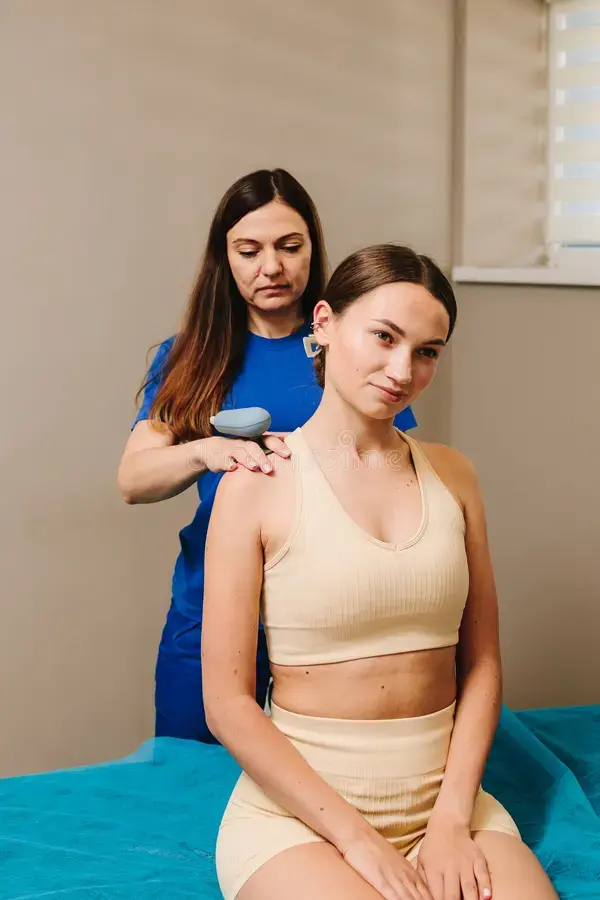
During treatment, the physiotherapist targets the affected area using specialized diathermy equipment. The controlled energy gently increases tissue temperature, which may help improve local blood circulation, reduce muscle tension, and promote relaxation of stiff tissues. This can make movement more comfortable and help prepare the body for other physiotherapy techniques such as stretching, manual therapy, and therapeutic exercises.
Diathermy may be incorporated into treatment plans for conditions involving neck pain, back pain, shoulder pain, joint stiffness, muscle tightness, sports injuries, and certain soft-tissue problems. It can be particularly useful when stiffness or muscle tension is limiting normal movement and affecting daily activities.
How Diathermy May Help
The controlled therapeutic heat produced during diathermy can help increase circulation in the treated area. Improved circulation may support the delivery of oxygen and nutrients to tissues while assisting the body's natural recovery processes. The warming effect can also help relax tight muscles and improve the flexibility of surrounding soft tissues.
For patients experiencing stiffness, this relaxation may make it easier to perform prescribed exercises and movement-based rehabilitation. When combined with an appropriate physiotherapy program, diathermy can therefore be used as a supportive treatment to help manage pain, improve mobility, and facilitate rehabilitation.
Conditions That May Benefit
Depending on the patient's condition and clinical assessment, diathermy may be used as part of physiotherapy treatment for:
- Neck and upper-back stiffness
- Lower back pain
- Shoulder stiffness and discomfort
- Muscle tightness and spasms
- Joint stiffness
- Sports-related muscle injuries
- Soft-tissue injuries
- Certain chronic pain conditions
- Reduced mobility associated with muscle and joint stiffness
What to Expect During Treatment
Before beginning treatment, the physiotherapist assesses the patient's condition and determines whether diathermy is appropriate. The treatment area is positioned comfortably, and the physiotherapist places or positions the equipment according to the type of diathermy being used.
The intensity and duration of treatment are adjusted according to the individual's condition and treatment requirements. Patients generally experience a gentle warming sensation rather than excessive heat. The physiotherapist monitors the treatment to ensure that it remains comfortable and appropriate throughout the session.
Diathermy is generally used as one component of a complete physiotherapy program, rather than as a standalone solution. Depending on the patient's needs, it may be combined with stretching, strengthening exercises, mobility exercises, manual therapy, posture correction, or other rehabilitation techniques.
Why Choose Diathermy as Part of Physiotherapy?
When appropriately prescribed, diathermy can provide a useful therapeutic heating effect that helps prepare muscles and soft tissues for rehabilitation. By addressing stiffness and muscle tension, it may help patients participate more comfortably in their exercise and movement program.
At our physiotherapy clinic, treatment is selected based on the patient's symptoms, physical assessment, medical history, and rehabilitation goals. Diathermy is provided under professional supervision with the aim of supporting pain management, mobility, and functional recovery.