Dry Needling
Dry needling is a physiotherapy technique that uses very thin, sterile needles to target specific muscles and areas of soft-tissue tension. It is primarily used to address muscular pain, tightness, and trigger points that may contribute to restricted movement or discomfort. Unlike acupuncture, dry needling is generally based on modern musculoskeletal and neurophysiological principles and is commonly used as part of a broader physiotherapy rehabilitation program.
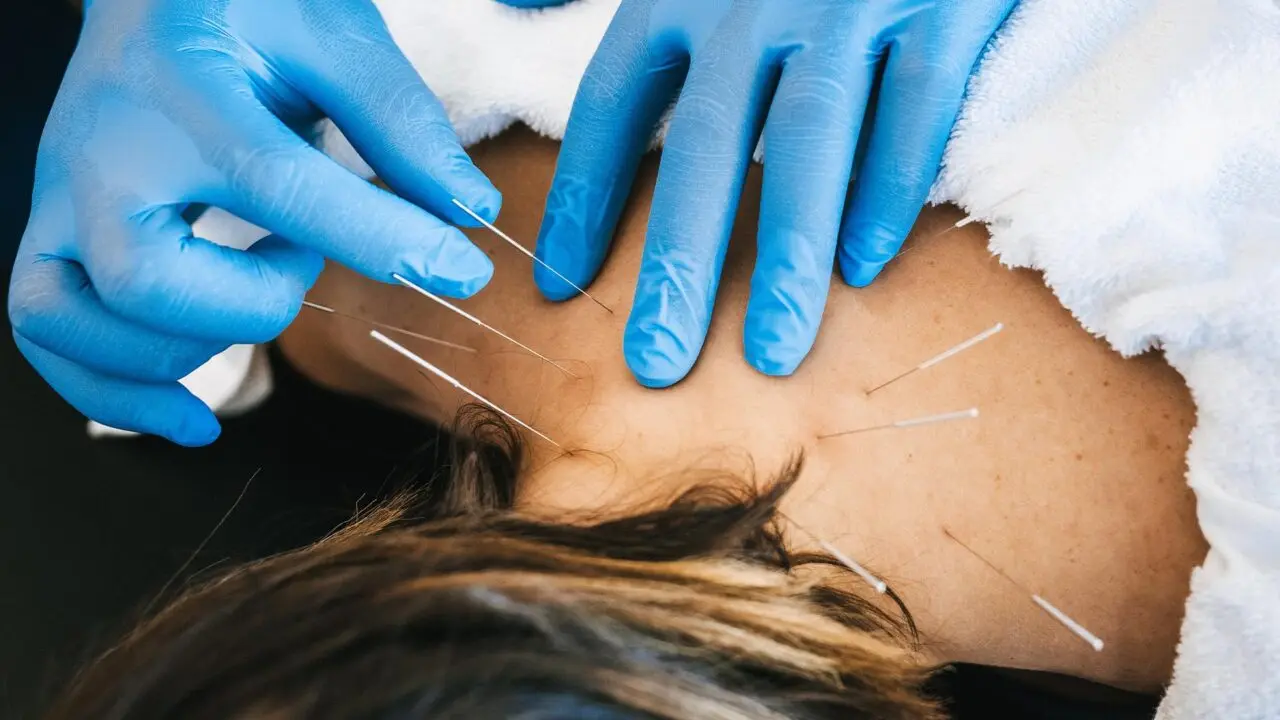
During dry needling, a trained physiotherapist carefully identifies the muscles or trigger points that may be contributing to the patient's symptoms. A sterile, single-use needle is then inserted through the skin into the targeted muscle or soft tissue. The technique and depth of insertion are selected according to the patient's condition, treatment area, and clinical assessment.
How Dry Needling May Help
Dry needling can be used to address areas of increased muscle tension and sensitivity. Stimulation of the targeted tissue may help reduce muscle tightness and improve the patient's ability to move the affected area comfortably.
By addressing muscular restrictions, dry needling may also make it easier for patients to participate in stretching, strengthening, mobility exercises, and other rehabilitation activities. It is generally used as a complementary technique rather than as a replacement for active physiotherapy.
Conditions That May Benefit
Depending on the physiotherapist's assessment, dry needling may be incorporated into treatment for:
- Neck and shoulder pain
- Upper-back and lower-back pain
- Muscle tightness and trigger points
- Sports-related muscle injuries
- Muscle strains
- Hip and gluteal muscle tightness
- Certain knee-related muscular problems
- Restricted range of movement
- Persistent muscular discomfort
- Myofascial pain conditions
What to Expect During Treatment
Before treatment, the physiotherapist performs an assessment to identify the muscles and tissues that may require treatment. The treatment area is cleaned, and sterile, single-use needles are used.
You may feel a brief prick as the needle passes through the skin, followed by a sensation of pressure, twitching, or muscle contraction in some cases. The physiotherapist controls the technique throughout the procedure and adjusts the treatment according to your response.
Some temporary soreness, tenderness, or minor bruising can occur after dry needling. These effects usually settle naturally, but your physiotherapist will provide appropriate aftercare guidance.
Dry Needling as Part of Physiotherapy
Dry needling is often combined with manual therapy, stretching, strengthening exercises, mobility training, posture correction, and other rehabilitation techniques. Combining these approaches allows treatment to address both immediate muscular symptoms and the underlying movement or strength problems contributing to them.
At our physiotherapy clinic, dry needling is performed by a trained professional following an individual assessment. The technique is selected only when clinically appropriate, with treatment focused on reducing muscular discomfort, improving mobility, and supporting your overall rehabilitation and functional recovery.