Trigger Point Therapy
Trigger Point Therapy is a hands-on physiotherapy technique used to address sensitive, tight areas within muscles that may contribute to localized pain, muscle tension, stiffness, and referred discomfort. These sensitive areas are commonly referred to as trigger points and may develop due to muscle overuse, repetitive movements, prolonged postures, physical activity, stress, or previous injury.
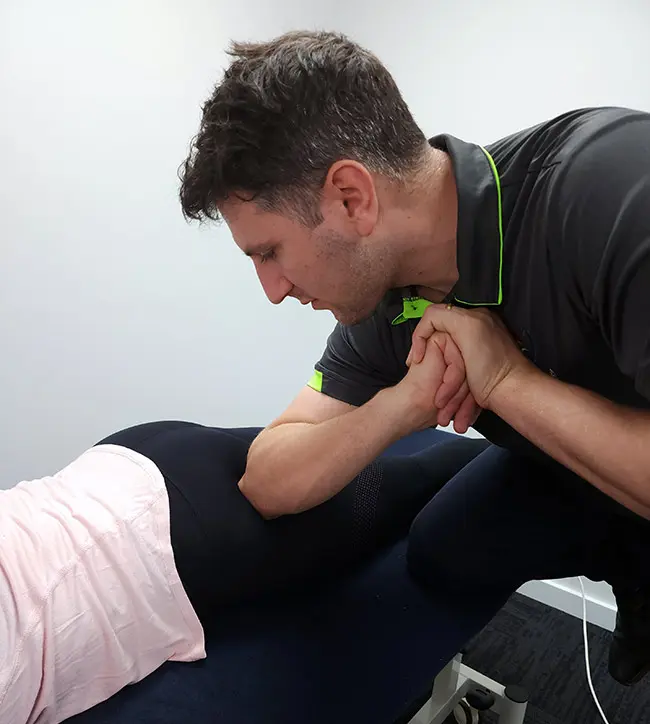
During treatment, a trained physiotherapist identifies areas of increased muscular sensitivity and applies controlled pressure or other appropriate manual techniques to the targeted tissues. The aim is to help reduce muscle tension, improve tissue mobility, and restore more comfortable movement.
How Trigger Point Therapy Works
The physiotherapist first evaluates the patient's symptoms, muscle tension, movement patterns, and areas of tenderness. A trigger point may feel like a particularly sensitive or tight area within a muscle and may sometimes produce discomfort in another nearby or related area when pressure is applied.
Once the appropriate area is identified, the physiotherapist applies carefully controlled pressure to the affected muscle. Depending on the patient's condition, the treatment may involve sustained pressure, gentle massage, stretching, or other soft-tissue techniques.
The amount of pressure is adjusted according to the patient's tolerance. The goal is to provide therapeutic stimulation without causing excessive or unnecessary discomfort.
Conditions That May Benefit
Depending on the clinical assessment, Trigger Point Therapy may be incorporated into treatment for:
- Neck and shoulder muscle tension
- Upper-back stiffness
- Lower-back muscle tightness
- Hip and gluteal muscle tension
- Muscle-related headaches
- Sports-related muscle tightness
- Muscle overuse and strain
- Restricted flexibility
- Movement-related muscular discomfort
- Certain myofascial pain conditions
Benefits of Trigger Point Therapy
When clinically appropriate, trigger point therapy may help:
- Reduce muscle tension
- Improve soft-tissue mobility
- Reduce localized muscular discomfort
- Improve flexibility
- Increase comfortable range of motion
- Promote muscle relaxation
- Improve movement quality
- Prepare muscles for stretching and exercise
- Support overall rehabilitation
By addressing areas of muscular tension, the technique may make it easier for patients to perform active exercises and move the affected area more comfortably.
What to Expect During Treatment
Before treatment, the physiotherapist performs an assessment to identify the muscles and areas that may be contributing to your symptoms. The therapist may examine muscle length, movement, posture, strength, and tenderness.
During the session, you will be positioned comfortably while the physiotherapist applies controlled pressure to the selected trigger points. You may feel pressure, tenderness, or a temporary increase in sensitivity in the treated area.
The therapist adjusts the pressure according to your condition and tolerance. Mild soreness may sometimes occur after treatment, particularly when working on areas of significant muscular tension.
Trigger Point Therapy for Different Areas
Trigger point treatment can be adapted to different parts of the body.
Neck and Shoulders: May be used for tight muscles associated with prolonged sitting, posture, or repetitive activities.
Back: May help address areas of muscular tension that contribute to restricted movement and discomfort.
Hips and Glutes: May be incorporated when tightness in these muscles affects hip mobility or lower-limb movement.
Legs: May be used for muscular tightness associated with exercise, overuse, or movement restrictions.
Trigger Point Therapy and Exercise
Trigger point therapy is generally most useful when combined with active rehabilitation. After addressing muscle tightness, your physiotherapist may prescribe stretching, strengthening, mobility exercises, posture correction, and movement-control exercises.
This approach helps address both the immediate muscular restriction and the factors that may have contributed to it.
For example, if repeated desk work contributes to neck and shoulder muscle tension, treatment may be combined with posture education, ergonomic advice, neck mobility exercises, and strengthening to help reduce the likelihood of recurring symptoms.
Personalized Trigger Point Therapy
Not every painful or tight area requires trigger point treatment. A physiotherapist assesses the underlying cause of symptoms and determines whether the technique is appropriate.
At our physiotherapy clinic, Trigger Point Therapy is provided following an individual assessment and tailored to your symptoms, movement limitations, and rehabilitation goals. Our physiotherapists combine appropriate hands-on techniques with active exercises and functional rehabilitation to help improve muscle flexibility, movement, comfort, and overall physical function.