Hip Stabilization Therapy
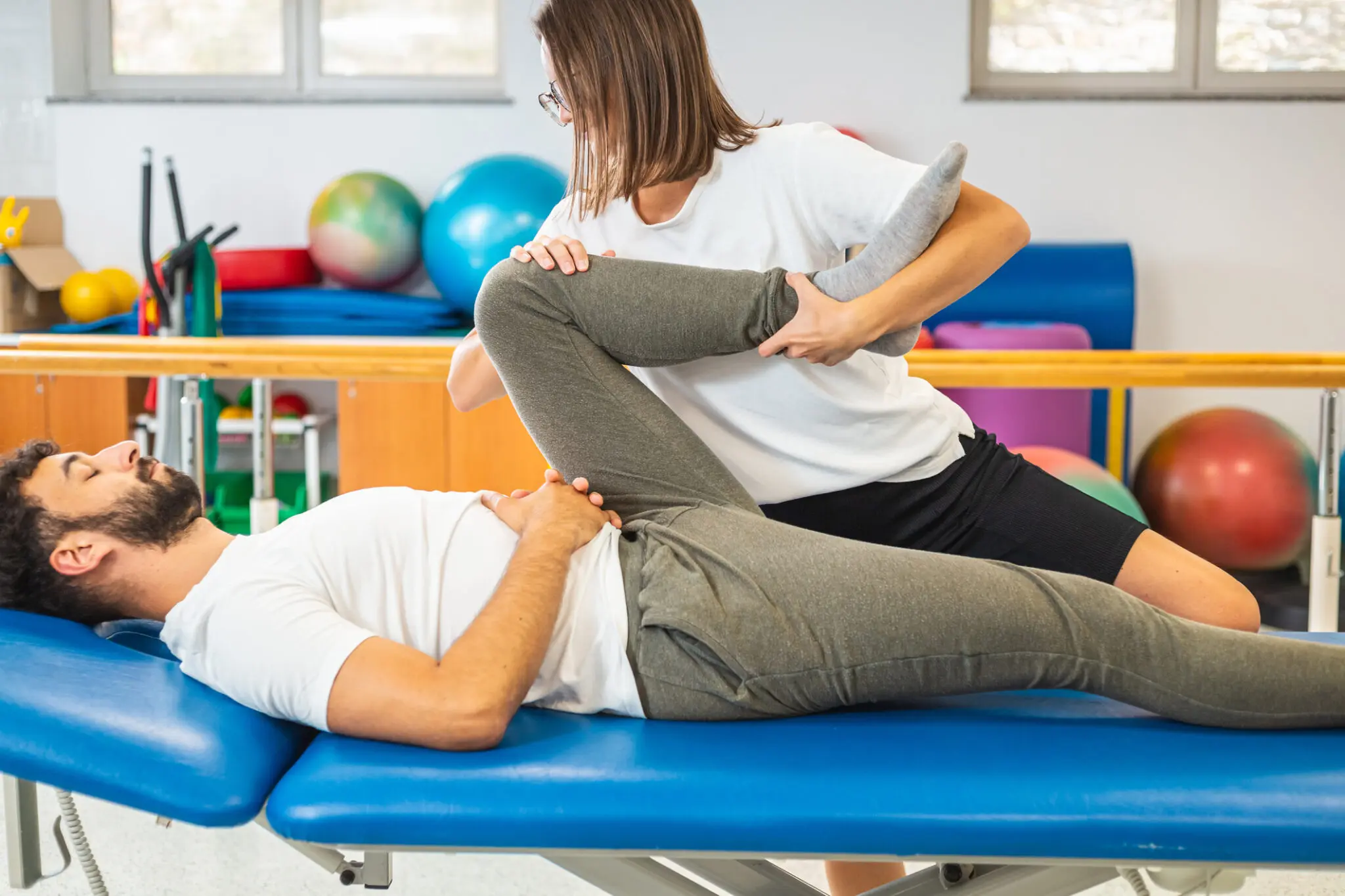
Hip Stabilization Therapy is a physiotherapy rehabilitation approach designed to improve the strength, coordination, and control of the muscles that support the hip and pelvis. Strong and well-coordinated hip muscles help maintain proper alignment of the pelvis, hips, knees, and lower limbs during activities such as walking, climbing stairs, running, squatting, and changing direction.
Weakness or poor control of the hip and pelvic muscles can contribute to movement imbalances, reduced stability, and increased stress on surrounding joints and tissues. Hip stabilization therapy uses progressive exercises to improve muscular control and help the hip function more efficiently during everyday and physical activities.
How Hip Stabilization Therapy Works
The physiotherapist first assesses hip strength, flexibility, balance, pelvic control, walking patterns, and functional movements. Particular attention may be given to the muscles that stabilize the pelvis and control the position of the thigh during movement.
A personalized exercise program is then developed based on the patient's condition and goals. Early exercises may focus on activating and strengthening the hip and core muscles. As strength and control improve, exercises can progress to weight-bearing, balance, single-leg, and functional movements.
The difficulty is gradually increased through changes in resistance, repetitions, movement complexity, balance requirements, or activity speed.
Muscles Targeted During Hip Stabilization
Depending on the patient's needs, exercises may focus on:
- Gluteus medius and other hip abductors
- Gluteus maximus
- Hip external rotators
- Hip flexors
- Core and abdominal muscles
- Pelvic stabilizing muscles
- Muscles supporting the knee and lower limb
The aim is not simply to strengthen one muscle but to improve coordination between the muscles responsible for maintaining hip and pelvic stability.
Conditions That May Benefit
Hip stabilization therapy may be incorporated into rehabilitation for:
- Hip pain and weakness
- Hip instability
- Pelvic control problems
- Knee problems associated with poor hip control
- Lower-limb movement dysfunction
- Sports-related injuries
- Recovery following certain hip injuries
- Reduced balance and stability
- Muscle weakness following periods of inactivity
- Difficulty with walking, running, squatting, or stairs
Benefits of Hip Stabilization Therapy
When appropriately prescribed, hip stabilization exercises may help:
- Improve hip strength
- Improve pelvic stability
- Enhance balance and coordination
- Improve lower-limb alignment
- Develop better movement control
- Improve walking and functional movement
- Increase confidence during physical activities
- Support recovery following injury
- Improve performance during exercise and sports
Better hip control can also help the lower limb work more efficiently during activities that require repeated weight-bearing and movement.
What to Expect During Treatment
Your physiotherapist begins with an assessment of your hip strength, movement patterns, balance, flexibility, and functional limitations. Exercises are then selected according to your current ability.
You may begin with simple exercises such as bridges, side-lying hip strengthening, clamshells, and controlled pelvic movements. As your strength improves, the program may progress to resistance-band exercises, standing exercises, single-leg balance, step-ups, squats, lunges, and more dynamic movements.
Your physiotherapist monitors your technique to ensure that the pelvis, hip, knee, and ankle remain appropriately aligned during exercise.
Hip Stabilization for Sports Rehabilitation
Athletes require strong hip and pelvic control for running, jumping, landing, accelerating, decelerating, and changing direction. Poor hip stability can affect movement efficiency and may contribute to compensatory movement patterns.
For athletes, rehabilitation can therefore progress from basic strengthening to single-leg exercises, dynamic balance, agility drills, landing mechanics, and sport-specific movements.
Hip Stabilization as Part of Rehabilitation
Hip stabilization therapy works best when combined with other appropriate physiotherapy interventions. Depending on your condition, your program may include mobility exercises, stretching, core strengthening, balance training, proprioception exercises, gait training, and functional rehabilitation.
The exercises are progressively adjusted as your strength and movement control improve.
At our physiotherapy clinic, Hip Stabilization Therapy is tailored to your individual condition, activity level, and rehabilitation goals. Our physiotherapists focus on improving hip and pelvic strength, stability, coordination, and functional movement to support a confident return to everyday activities, exercise, and sports.