Muscle Energy Technique (MET)
Muscle Energy Technique (MET) is a hands-on physiotherapy technique that combines controlled muscle contractions with precise positioning and stretching to help improve joint mobility, reduce muscle tightness, and restore normal movement. It is an active form of manual therapy because the patient participates by gently contracting a specific muscle against resistance provided by the physiotherapist.
MET is commonly used when muscle tightness or restricted joint movement is affecting normal function. The technique can be applied to different areas of the body, including the neck, shoulders, back, pelvis, hips, and lower limbs, depending on the patient's condition.
How Muscle Energy Technique Works
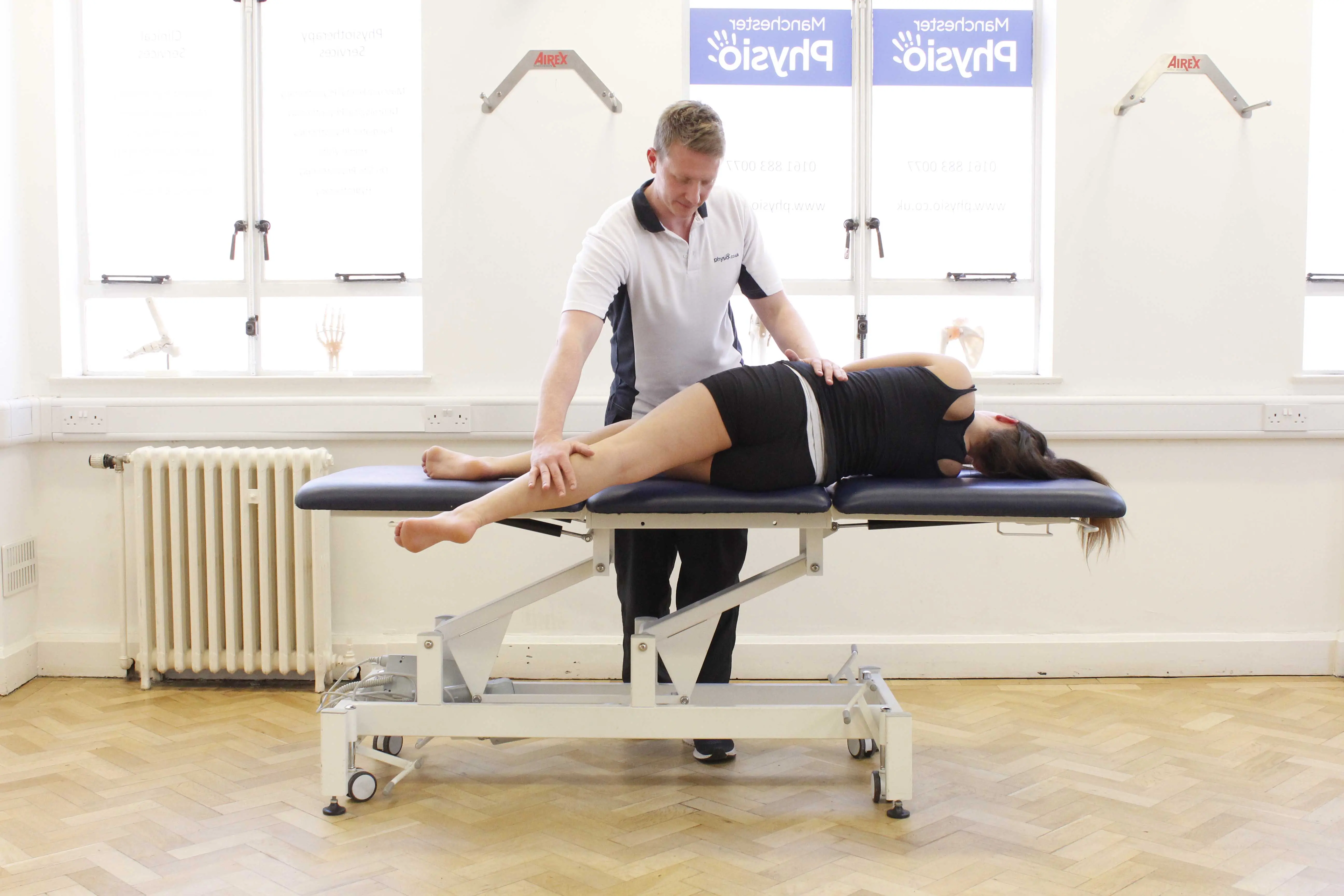
During an MET session, the physiotherapist positions the affected joint or muscle in a specific position and asks the patient to perform a gentle, controlled contraction against resistance. The contraction is usually held for a short period and is followed by relaxation.
After the muscle relaxes, the physiotherapist may gently move the joint or muscle into a slightly greater range. This process can be repeated several times according to the patient's needs and response to treatment.
The technique is carefully controlled, and the amount of resistance and range of movement are adjusted according to the patient's strength, symptoms, and treatment goals.
Conditions That May Benefit
Depending on the physiotherapist's assessment, MET may be incorporated into treatment for:
- Neck stiffness and muscle tightness
- Shoulder movement restrictions
- Back stiffness
- Hip mobility limitations
- Tight hamstrings
- Tight quadriceps
- Hip and pelvic movement restrictions
- Muscle imbalance
- Reduced flexibility
- Certain sports-related muscle problems
- Movement restrictions associated with musculoskeletal conditions
Benefits of Muscle Energy Technique
When clinically appropriate, MET may help:
- Improve muscle flexibility
- Increase joint range of motion
- Reduce muscle tightness
- Improve movement quality
- Support muscle relaxation
- Improve flexibility around restricted joints
- Enhance functional mobility
- Prepare muscles and joints for therapeutic exercises
Because the patient actively participates in the technique, MET can also help improve awareness and control of the treated movement.
What to Expect During Treatment
Before treatment, the physiotherapist assesses your movement, flexibility, muscle tension, joint mobility, and functional limitations. Based on this assessment, a specific muscle or movement restriction is selected for treatment.
You will be positioned comfortably while the physiotherapist guides the affected body part into an appropriate position. You will then be asked to gently contract the targeted muscle against the physiotherapist's resistance.
After the contraction, you relax the muscle while the physiotherapist gently increases the stretch or movement range. This sequence may be repeated several times.
The contraction should generally be controlled and appropriate for your condition rather than forceful. Your physiotherapist monitors your response throughout the procedure.
MET for Different Areas of the Body
MET can be adapted for different parts of the body. For example:
Neck: May be used to address certain muscle tightness and restricted cervical movement.
Shoulder: May help address tight muscles contributing to restricted shoulder mobility.
Back: May be incorporated to address muscular restrictions affecting spinal movement.
Hip: Can be used to improve flexibility and mobility of muscles surrounding the hip.
Lower Limb: May be used for tight hamstrings, quadriceps, calf muscles, or other muscles affecting lower-limb movement.
Muscle Energy Technique as Part of Rehabilitation
MET is generally used as one component of a complete physiotherapy program. After improving mobility or reducing muscle tightness, the physiotherapist may introduce strengthening exercises, stretching, posture correction, mobility training, balance exercises, or functional rehabilitation.
Combining hands-on techniques with active exercises can help patients maintain improvements in flexibility and develop the strength and movement control needed for everyday activities.
At our physiotherapy clinic, Muscle Energy Technique (MET) is selected following an individual assessment and performed under professional supervision. Treatment is tailored to your specific movement restrictions and rehabilitation goals, with the aim of improving flexibility, mobility, muscle function, and comfortable movement.