Manual Therapy
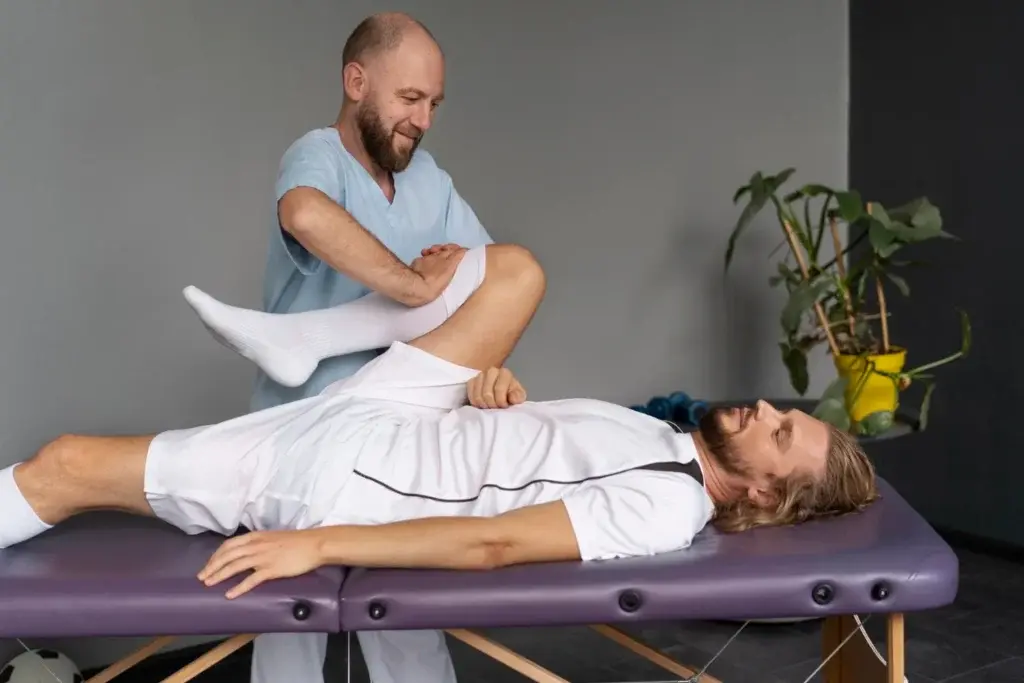
Manual therapy is a hands-on physiotherapy treatment used to assess and treat problems involving muscles, joints, connective tissues, and other soft tissues. It involves specific hands-on techniques performed by a trained physiotherapist to help reduce pain, improve joint and soft-tissue mobility, release muscle tension, and restore more comfortable movement.
During manual therapy, the physiotherapist uses techniques such as joint mobilization, soft-tissue mobilization, massage, stretching, muscle release, and other controlled hands-on movements according to the patient's condition. The treatment is customized based on the location of pain, movement restrictions, muscle tightness, injury history, and individual rehabilitation goals.
How Manual Therapy May Help
Manual therapy can help address restricted movement and excessive muscle tension that may contribute to pain or reduced physical function. Gentle and controlled hands-on techniques may improve the movement of stiff joints and surrounding tissues while helping tight muscles relax.
Improving mobility can also make it easier for patients to perform therapeutic exercises correctly. For this reason, manual therapy is often combined with strengthening, stretching, posture correction, mobility exercises, and functional rehabilitation.
Conditions That May Benefit
Manual therapy may be incorporated into physiotherapy treatment for:
- Neck pain and stiffness
- Shoulder pain and restricted movement
- Back and lower-back pain
- Hip stiffness and discomfort
- Knee pain and mobility problems
- Elbow and wrist conditions
- Muscle tightness and tension
- Sports-related injuries
- Joint stiffness
- Soft-tissue injuries
- Postural and movement-related problems
Common Manual Therapy Techniques
Depending on the patient's condition, a physiotherapist may use different hands-on techniques, including:
- Joint Mobilization: Gentle movements applied to joints to help improve mobility and reduce stiffness.
- Soft-Tissue Mobilization: Hands-on techniques used to address tight or restricted muscles and surrounding tissues.
- Therapeutic Massage: Controlled massage techniques to promote muscle relaxation and improve comfort.
- Muscle Release Techniques: Targeted techniques designed to reduce muscle tension and improve movement.
- Passive Stretching: Controlled movement of muscles and joints to improve flexibility and range of motion.
What to Expect During Treatment
Before starting treatment, the physiotherapist evaluates your symptoms, movement, muscle condition, and functional limitations. Based on this assessment, an appropriate manual therapy technique is selected.
During the session, the physiotherapist applies controlled pressure or movement to the affected area. Treatment intensity is adjusted according to your condition and comfort level. Some techniques may produce a mild stretching or pressure sensation, but treatment should be performed within an appropriate and tolerable range.
Manual Therapy as Part of Rehabilitation
Manual therapy is most effective when used as part of a complete physiotherapy rehabilitation program. Depending on your condition, your physiotherapist may combine hands-on treatment with therapeutic exercises, strengthening, stretching, posture training, and movement correction.
At our physiotherapy clinic, manual therapy is provided following an individual assessment and is tailored to your specific needs. The goal is to help reduce discomfort, restore movement, improve physical function, and support a safe return to daily activities.