
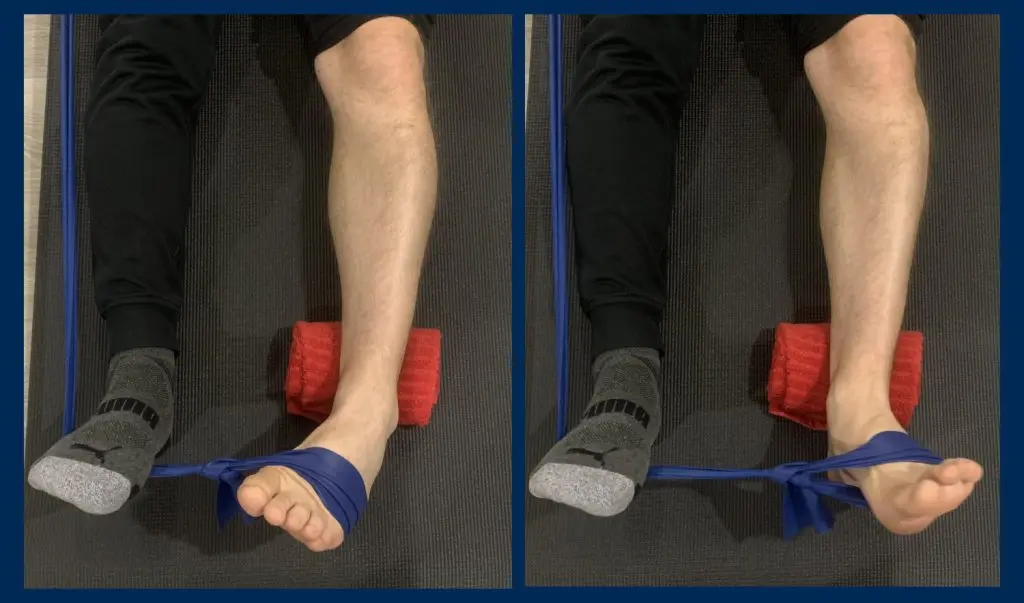
Ankle Stability Training
Ankle Stability Training is a physiotherapy rehabilitation program designed to improve the strength, coordination, balance, and control of the muscles and joints surrounding the ankle. The ankle plays an important role in supporting body weight and maintaining stability during standing, walking, running, jumping, and changes in direction.
Following an ankle sprain, injury, surgery, prolonged immobilization, or repeated episodes of ankle instability, the ankle may feel weak or unreliable during movement. Ankle stability training uses progressive exercises to improve the ankle's ability to control movement and tolerate everyday and physical activities.
How Ankle Stability Training Works
The physiotherapist begins with an assessment of ankle strength, joint mobility, balance, proprioception, walking pattern, and functional movement.
A personalized program is then developed according to the patient's current ability. Early exercises may focus on basic ankle strengthening and controlled weight-bearing. As stability improves, exercises can progress to single-leg balance, dynamic movements, resistance exercises, and sport-specific activities.
The difficulty is increased gradually to ensure that the ankle develops both strength and movement control.
Conditions That May Benefit
Depending on the clinical assessment, Ankle Stability Training may be incorporated into rehabilitation for:
- Ankle sprains
- Recurrent ankle instability
- Ankle weakness
- Post-surgical ankle rehabilitation
- Stiffness following immobilization
- Sports-related ankle injuries
- Reduced balance
- Poor lower-limb control
- Difficulty with walking or running
- Recovery following certain foot and ankle injuries
Benefits of Ankle Stability Training
When appropriately prescribed, ankle stability exercises may help:
- Improve ankle strength
- Increase joint stability
- Improve balance and coordination
- Enhance proprioception
- Improve lower-limb control
- Increase confidence during weight-bearing activities
- Improve walking and running mechanics
- Support recovery after ankle injuries
- Prepare the ankle for exercise and sports
Better ankle stability can help the foot and lower limb respond more effectively to changes in direction, surface, and physical load.
Common Ankle Stability Exercises
Your physiotherapist may introduce exercises according to your rehabilitation stage.
Resistance Band Exercises:
Controlled ankle movements against resistance can strengthen the muscles that support the joint.
Calf Raises:
Rising onto the toes strengthens the calf and supporting ankle muscles while challenging foot and ankle control.
Single-Leg Balance:
Standing on one leg challenges the ankle, foot, hip, and core muscles to maintain stability.
Heel-to-Toe Walking:
Controlled walking can improve coordination and balance.
Step-Up Exercises:
Stepping onto a platform challenges the ankle during controlled weight-bearing movement.
Balance Surface Training:
Appropriate unstable surfaces may be introduced at later stages to increase the challenge to ankle control.
What to Expect During Treatment
Your physiotherapist will assess your ankle and determine the appropriate starting level.
Early rehabilitation may involve simple strengthening and balance exercises performed with support. As your stability improves, the exercises become more challenging.
Your therapist may progressively change:
- Resistance
- Exercise surface
- Base of support
- Movement speed
- Direction
- Single-leg loading
- Balance demands
- Functional complexity
Proper technique is monitored throughout the session to ensure that the ankle, knee, and hip remain appropriately aligned.
Ankle Stability After an Ankle Sprain
After an ankle sprain, pain and swelling may decrease before the ankle has fully regained its strength and stability. Some individuals may continue to experience a feeling of weakness or instability during certain movements.
Ankle stability training can therefore be combined with proprioception exercises, balance training, ankle strengthening, mobility work, and progressive weight-bearing to help restore functional control.
Ankle Stability for Athletes
Athletes need strong and responsive ankles for running, jumping, landing, cutting, and rapid changes of direction.
Sports rehabilitation may progress from basic balance exercises to:
- Single-leg landing
- Hopping
- Agility drills
- Direction changes
- Acceleration and deceleration
- Dynamic balance exercises
- Sport-specific movements
Exercises are progressed according to the athlete's strength, control, and ability to tolerate increasing physical demands.
Ankle Stability and Foot Strength
The muscles of the foot and ankle work together to provide stability during weight-bearing activities. For this reason, rehabilitation may also include foot arch strengthening, calf strengthening, toe exercises, and proprioception training.
Improving both foot and ankle control can help create a more stable foundation for walking and physical activity.
Ankle Stability as Part of Physiotherapy
Ankle stability training is usually combined with other rehabilitation methods rather than used alone. Depending on your condition, your program may include ankle joint mobilization, stretching, strengthening, balance training, proprioception exercises, gait retraining, and functional rehabilitation.
At our physiotherapy clinic, Ankle Stability Training is tailored to your individual condition, strength, balance, activity level, and rehabilitation goals. Our physiotherapists use progressive exercises to improve ankle strength, stability, coordination, and confidence, helping you safely progress toward everyday activities, exercise, work, and sports.