
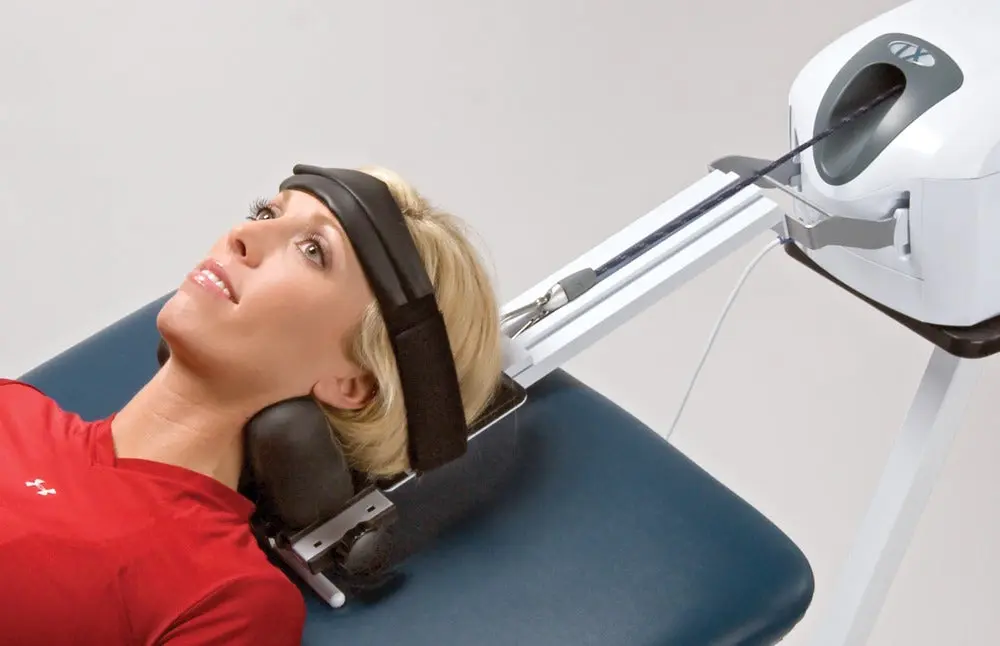
Cervical Traction Therapy
Cervical Traction Therapy is a physiotherapy technique used to gently stretch and unload the structures of the neck. It involves applying a controlled pulling force to the cervical spine to create a gentle separation between the vertebrae. This may help reduce pressure on irritated structures, decrease muscle tension, improve neck mobility, and provide relief from certain types of neck pain.
Cervical traction can be performed manually by a physiotherapist or with a specialized traction device. The technique, amount of force, duration, and position are carefully selected according to the patient's symptoms, physical assessment, and treatment goals.
How Cervical Traction Works
The cervical spine consists of several small vertebrae, discs, joints, muscles, and supporting tissues. Muscle tightness, prolonged poor posture, age-related changes, or certain injuries can contribute to discomfort and restricted neck movement.
During traction, a gentle and controlled force is applied along the natural direction of the neck. This may temporarily reduce compressive loading on certain spinal structures and help relax surrounding muscles. The treatment can also create a gentle stretching sensation that may help improve comfort and mobility.
Cervical traction is not intended to forcefully manipulate the neck. Instead, it provides a controlled and gradual stretching effect under physiotherapy supervision.
Conditions That May Benefit
Depending on the patient's assessment, cervical traction may be incorporated into physiotherapy treatment for:
- Neck pain and stiffness
- Cervical muscle tightness
- Restricted neck movement
- Certain cervical disc-related conditions
- Cervical nerve irritation
- Pain extending from the neck toward the shoulder or arm
- Postural neck discomfort
- Certain degenerative cervical spine conditions
- Muscle spasm associated with neck problems
Benefits of Cervical Traction
When clinically appropriate, cervical traction may help:
- Reduce neck discomfort
- Relieve muscle tension
- Improve cervical mobility
- Provide temporary unloading of spinal structures
- Reduce feelings of stiffness
- Improve comfort during neck movements
- Support posture and movement rehabilitation
- Make therapeutic exercises easier to perform
What to Expect During Treatment
Before beginning cervical traction, the physiotherapist performs a detailed assessment of your neck movement, symptoms, posture, muscle condition, and neurological signs when appropriate. This helps determine whether traction is suitable for your condition.
During treatment, you are positioned comfortably, and the physiotherapist applies a carefully controlled traction force. Depending on your treatment plan, traction may be applied manually or using a mechanical traction unit.
You may feel a gentle pulling or stretching sensation around your neck. The treatment should be performed within a comfortable and clinically appropriate range. The physiotherapist monitors your response and can adjust the force, duration, and position when necessary.
Cervical Traction as Part of Physiotherapy
Cervical traction is generally used as one part of a comprehensive physiotherapy program rather than as a standalone treatment. Your physiotherapist may combine traction with manual therapy, posture correction, neck mobility exercises, stretching, strengthening exercises, and ergonomic advice.
The treatment approach is individualized according to the underlying cause of your symptoms and your rehabilitation goals. Regular assessment helps determine whether traction is providing a useful response and whether the treatment plan needs to be modified.
At our physiotherapy clinic, Cervical Traction Therapy is provided following an individual assessment and under professional supervision. Our goal is to help reduce neck discomfort, improve mobility, and support a safe return to comfortable daily movement and activities.