Cupping Therapy
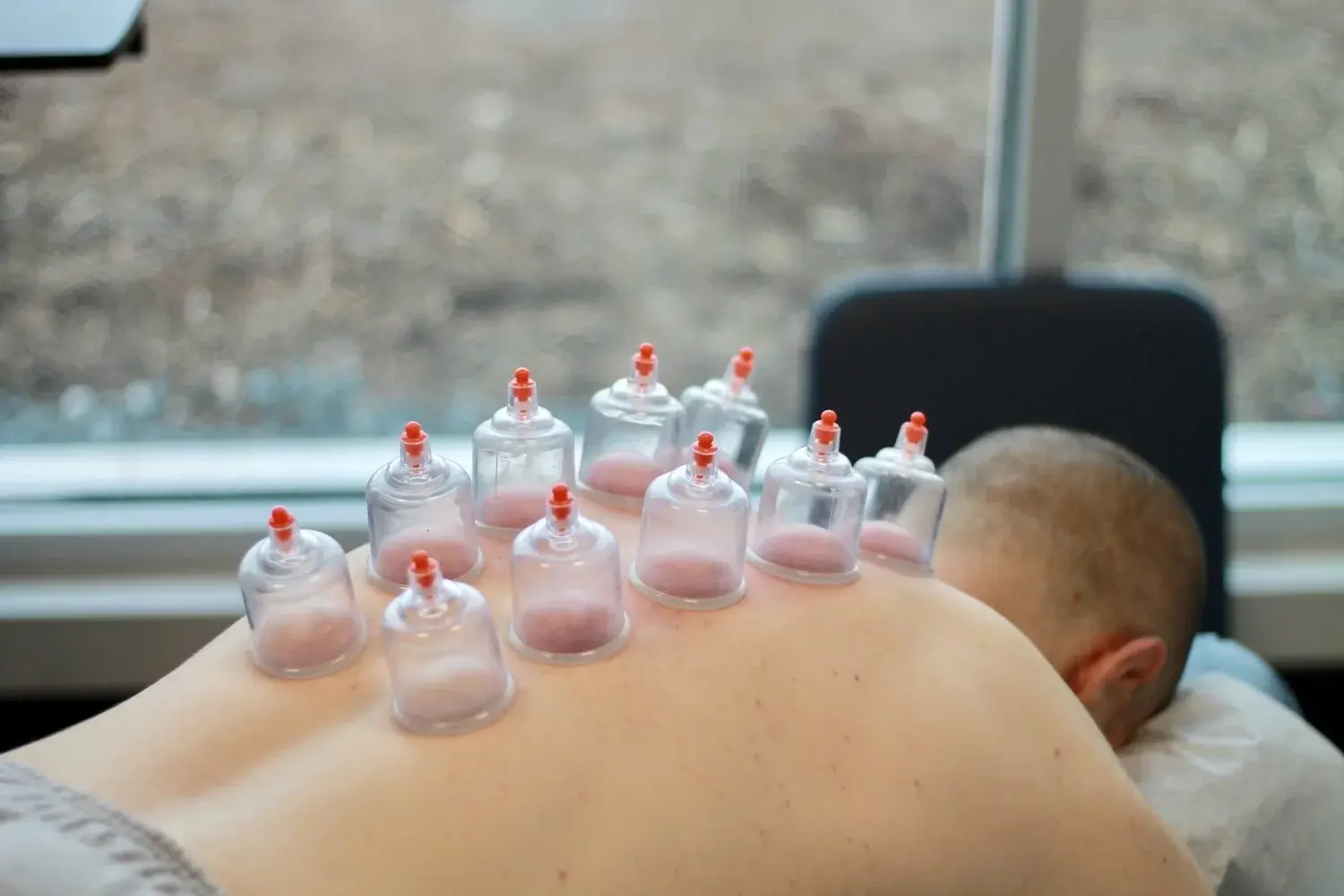
Cupping therapy is a complementary physiotherapy technique in which specially designed cups are placed on the skin to create gentle suction. The suction lifts the superficial layers of the skin and underlying tissues, which may help promote local circulation, reduce muscle tightness, and provide temporary relief from muscular discomfort. It is often incorporated into a broader physiotherapy and rehabilitation program based on the patient's individual condition.
During a cupping session, the physiotherapist assesses the affected area and selects an appropriate cupping technique. Cups are then positioned on specific areas of the body and suction is carefully controlled according to the patient's comfort and treatment requirements. Depending on the technique being used, the cups may remain stationary or may be gently moved across the skin using an appropriate lubricant.
How Cupping Therapy May Help
The suction created by the cups can increase local blood flow and provide stimulation to the skin and underlying soft tissues. This may help reduce the sensation of muscle tightness and promote relaxation of tense muscles. Some patients may also experience temporary improvement in mobility and comfort following treatment.
Cupping can be particularly useful when muscle tension or soft-tissue tightness is contributing to restricted movement. When combined with therapeutic exercises, stretching, manual therapy, and other physiotherapy techniques, it can form part of a comprehensive approach to rehabilitation.
Conditions That May Benefit
Depending on the physiotherapist's assessment, cupping therapy may be used as part of treatment for:
- Neck and shoulder muscle tightness
- Back and lower-back discomfort
- Muscle stiffness and tension
- Sports-related muscle soreness
- Soft-tissue tightness
- Reduced flexibility and mobility
- Certain musculoskeletal pain conditions
- Muscle recovery following physical activity
What to Expect During Treatment
Before treatment begins, the physiotherapist evaluates the patient's symptoms, medical history, and treatment requirements. The skin is checked, and the appropriate areas for application are identified. The cups are then placed using controlled suction.
Patients commonly experience a pulling or tight sensation where the cups are applied. Circular or reddish-purple marks may temporarily appear on the skin after treatment due to the suction effect. These marks generally fade naturally over time.
The intensity and duration of treatment are adjusted according to the individual's needs and tolerance. Cupping should be performed by a trained professional, particularly when the patient has an underlying medical condition or is taking medication that may affect treatment suitability.
Cupping as Part of Physiotherapy
Cupping therapy is generally used as a supportive treatment rather than a standalone cure. Your physiotherapist may combine it with stretching, strengthening exercises, mobility training, manual therapy, posture correction, and other rehabilitation techniques to address the underlying cause of pain or movement limitations.
At our physiotherapy clinic, cupping therapy is selected after an individual assessment and incorporated into a personalized treatment plan with the goal of improving comfort, mobility, muscle relaxation, and overall rehabilitation.