Cyriax Therapy
Cyriax Therapy, also known as Cyriax Orthopaedic Therapy, is a specialized manual physiotherapy approach developed around the assessment and treatment of musculoskeletal and soft-tissue disorders. It focuses on identifying the specific structure contributing to pain or movement restriction and applying targeted manual techniques based on the clinical findings.
The approach is particularly associated with deep transverse friction massage, selective tissue examination, and specific joint mobilization techniques. Rather than treating an entire area in the same way, the physiotherapist evaluates the patient's symptoms and movement patterns to determine which tissues may require focused treatment.
How Cyriax Therapy Works
Cyriax-based treatment begins with a detailed physical assessment. The physiotherapist examines the patient's pain location, movement limitations, muscle and tendon function, and response to specific movements or resistance.
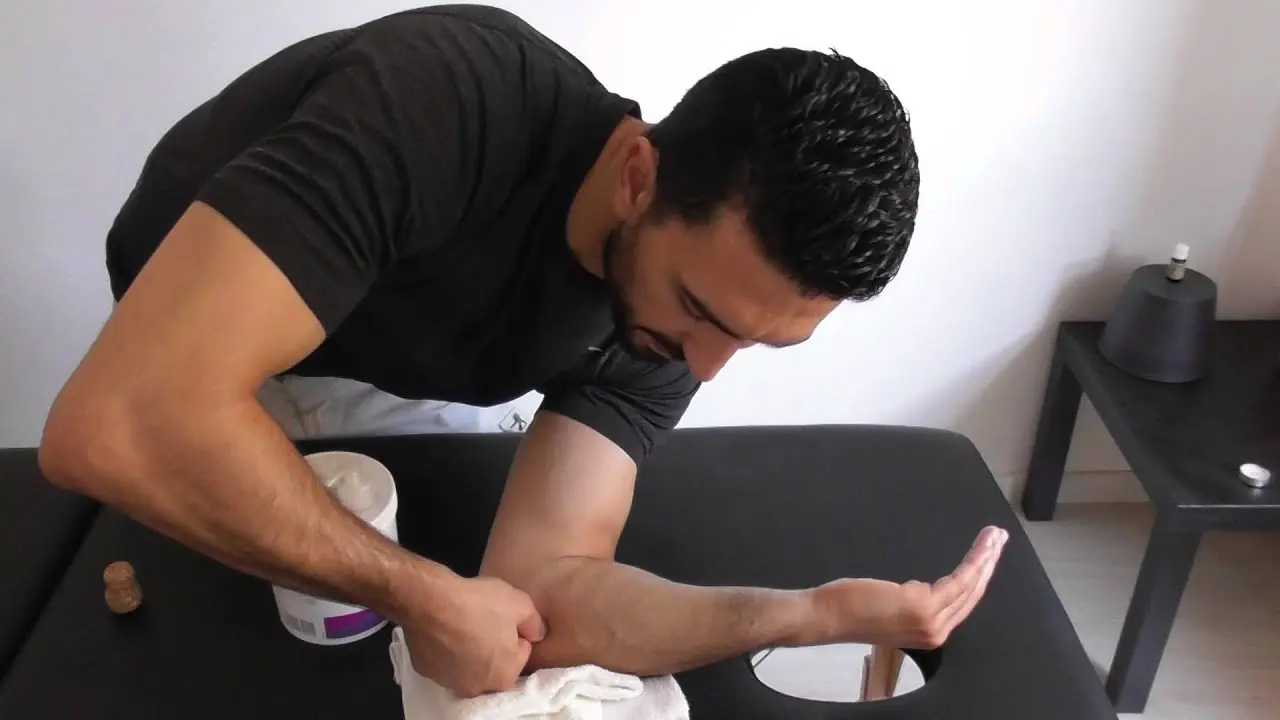
Once the suspected tissue or movement restriction is identified, appropriate manual techniques may be applied. One of the commonly recognized techniques within the Cyriax approach is deep transverse friction, where controlled pressure is applied across the direction of a tendon, ligament, or other soft tissue.
Joint mobilization may also be incorporated when restricted joint movement contributes to the patient's symptoms. The intensity and duration of treatment are adjusted according to the patient's condition and clinical response.
Conditions That May Benefit
Depending on the physiotherapist's assessment, Cyriax Therapy may be incorporated into rehabilitation for:
- Tendon-related conditions
- Ligament injuries
- Muscle strains
- Soft-tissue injuries
- Sports-related injuries
- Joint stiffness
- Restricted movement
- Certain overuse injuries
- Chronic soft-tissue problems
- Musculoskeletal pain conditions
Benefits of Cyriax Therapy
When appropriately selected, Cyriax-based techniques may help:
- Improve soft-tissue mobility
- Reduce stiffness
- Improve joint movement
- Address localized tissue restrictions
- Improve flexibility
- Support recovery following certain soft-tissue injuries
- Improve comfortable movement
- Prepare affected tissues for rehabilitation exercises
The approach is generally used alongside active rehabilitation rather than as a replacement for strengthening and movement-based therapy.
What to Expect During Treatment
Before treatment, the physiotherapist performs a detailed assessment to determine the likely source of your symptoms. This may include testing active and passive movements, muscle strength, resisted movements, and specific areas of tenderness.
If manual treatment is considered appropriate, the physiotherapist selects the technique based on the assessment. Treatment may involve targeted soft-tissue work, deep transverse friction, or joint mobilization.
You may experience pressure or mild tenderness during some techniques. The physiotherapist adjusts the intensity according to your condition and tolerance and monitors your response throughout the session.
Cyriax Therapy for Sports Injuries
Cyriax techniques can be incorporated into rehabilitation for athletes dealing with certain tendon, ligament, muscle, or other soft-tissue problems. Athletes often require a progressive rehabilitation program that restores strength, flexibility, coordination, and the ability to tolerate sport-specific loads.
For this reason, manual techniques may be combined with strength training, stretching, mobility exercises, balance work, functional exercises, and sport-specific rehabilitation.
Cyriax Therapy as Part of Rehabilitation
Cyriax Therapy is most appropriately used as part of an individualized physiotherapy program. Following manual treatment, your physiotherapist may prescribe exercises to improve strength, flexibility, movement control, and tissue capacity.
The treatment approach is adjusted according to your symptoms and progress rather than following the same technique for every patient.
At our physiotherapy clinic, Cyriax Therapy is provided following a professional assessment and under trained physiotherapy supervision. Treatment is tailored to the affected tissues and your rehabilitation goals, with the aim of improving mobility, managing musculoskeletal discomfort, and supporting a progressive return to normal activities, exercise, and sports.