Services
We Treat It Right.
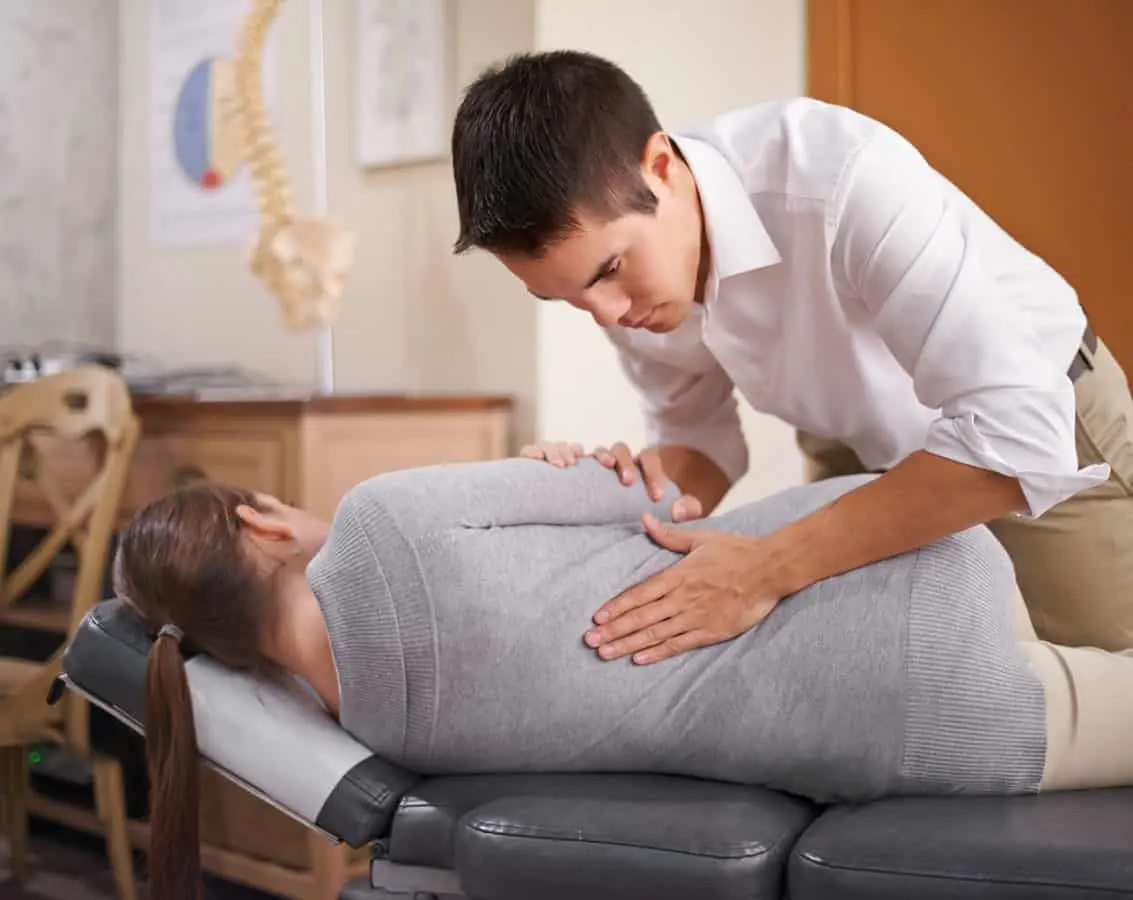
A chiropractic adjustment, also called spinal manipulation, is a procedure done by a chiropractor using the hands or small instruments to apply controlled force to a spinal joint. The goal is to improve spinal motion and the physical function of the entire body. Chiropractic adjustment at home is generally considered safe when performed for the right condition by someone who is properly trained and licensed to practice chiropractic care. Complications are rare, but they are possible. For ailments mainly related to spinal problems, people seek chiropractic care at home because it is a completely drug-free therapy. Someone dealing with joint pain, back pain, or headaches might consider visiting a chiropractor.
The goal of a chiropractic adjustment is to restore normal joint function and muscle balance. Treatments are believed to reduce stress on the immune system, reducing the potential for disease. Chiropractic care aims to address the entire body, including a person’s ability to move, perform, and even think. Recommendations for your at-home chiropractic care may incorporate exercise, hot/cold therapy, massage, nutrition as well as the use of proper posture and movement skills. You will find that you do have dominion over your symptom even though there may not be a cure for the condition. You are key to your care. You can gain back the quality of life you want and deserve.
HOW DOES IT WORK?
Chiropractic treatment may require a series of visits to your chiropractor, but most people attain maximum improvement in six to 10 visits. At your initial visit, your chiropractor will ask questions about your health history and perform a physical exam, with particular attention to your spine. Your chiropractor may also recommend other examinations or tests, such as X-rays.
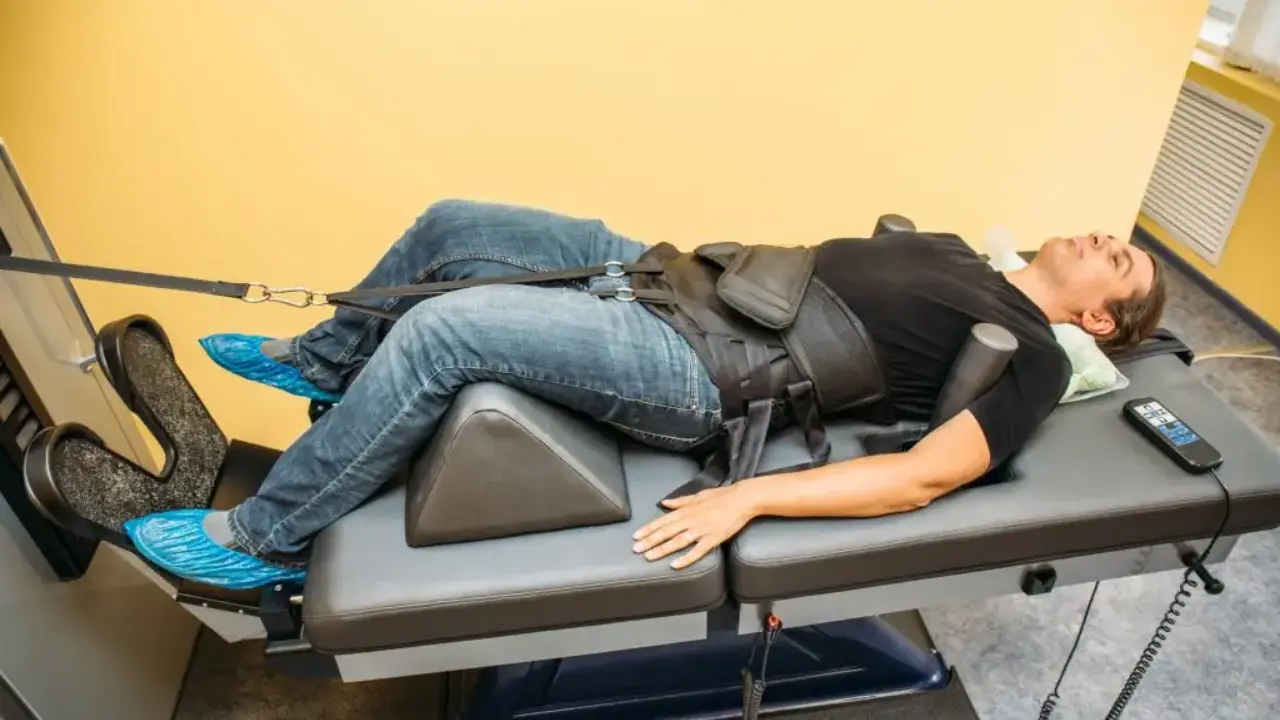
During the procedure: During a typical chiropractic adjustment, your chiropractor places you in specific positions to treat affected areas. Often, you're positioned lying face down on a specially designed, padded chiropractic table. The chiropractor uses his or her hands to apply a controlled, sudden force to a joint, pushing it beyond its usual range of motion. You may hear popping or cracking sounds as your chiropractor moves your joints during the treatment session.
Some people experience minor side effects for a few days after a chiropractic adjustment. These may include headache, fatigue, or pain in the parts of the body that were treated. Chiropractic adjustment can be effective in treating low back pain, although much of the research done shows only a modest benefit — similar to the results of more conventional treatments. Some studies suggest that spinal manipulation also may be effective for headaches and other spine-related conditions, such as neck pain.
What Are The COMMON CONDITIONS TREATED IN CHIROPRACTOR TREATMENT?
Chiropractic treatment addresses damage, disorder, and misalignment of the joints, particularly along the spine. Chiropractic therapy can treat a wide variety of conditions since it can correct both localized joint issues and your general posture, which can influence your overall well-being, especially your nervous system.
Back problems: Patients may seek treatment from chiropractors for general discomfort, postural issues, localized pain, or more complex conditions such as fibromyalgia, a chronic musculoskeletal issue.
Arthritis: Rheumatoid arthritis results from an immune system disorder, while osteoarthritis is the result of tissue degeneration due to aging, hormonal issues, or vitamin deficiencies. Chiropractors can help treat both types of arthritis by manipulating the joints and working to restore patients' mobility.
Headache: If you suffer from tension headaches, your chiropractor can help by identifying trigger points in your neck muscles. Trigger points may include the Suboccipitals, the Splenius muscles, the Trapezius, and the Sternocleidomastoid
Neck pain: Your neck is one of your most important yet delicate body parts. It consists of seven small vertebrae, which chiropractors refer to as the "cervical spine.”
Musculoskeletal Conditions: Chiropractic therapy adjusts the body's joints and overall alignment to help correct a variety of musculoskeletal conditions. Your chiropractor may be able to assist you if you suffer from any of the following:
- Plantar fasciitis
- Epicondylitis
- Tendinitis
- Sprains
- Strains
- Fractures
- Ligament injuries
- Myelopathy
- Whiplash
- Complex Regional Pain Syndrome (CRPS)
- Stroke
- Dislocation
- Frozen joints
- Muscle, joint, or ligament tears and pulls
- Herniated discs
- Scoliosis
- Medial Tibial Stress Syndrome (MTSS)
- Osteoarthritis
- Ruptured discs or tendons
- Scurvy
- Shin splints
- Chronic discomfort
- Carpal tunnel syndrome
WHO CAN BENEFIT FROM CHIROPRACTOR TREATMENT?
A foundational element of chiropractic practice is that the structure of the body, with specific emphasis on the spine, affects the function of each part of the body. By correcting alignment, chiropractors believe that undue stress is relieved, which allows the body to function properly and, in turn, heal itself from pain. Though the focus of chiropractic treatment remains on the spine, chiropractic care has now widened to include treatments for posture, nutritional counseling, and exercise education in order to supplement musculoskeletal manipulation.
Your chiropractor may recommend certain exercises to help improve your range of motion, and may also ask what position you tend to sleep in and what shape your mattress is in. Because we spend so much of our lives on our mattresses, understanding sleep health and hygiene may be crucial in your path to recovery. Chiropractors often work with primary care doctors, pain experts, and surgeons to deliver the best, most comprehensive results to patients. Understanding your health history and current lifestyle are all important factors that aid chiropractors in delivering relief from pain. Going to a chiropractor is also a great option for those unable to afford expensive costs for surgeries to relieve spinal pain or those wanting an alternative to potentially addictive pain medication. Improved sleep quality, breathing, and increased energy are all second-hand benefits when choosing to get adjusted.
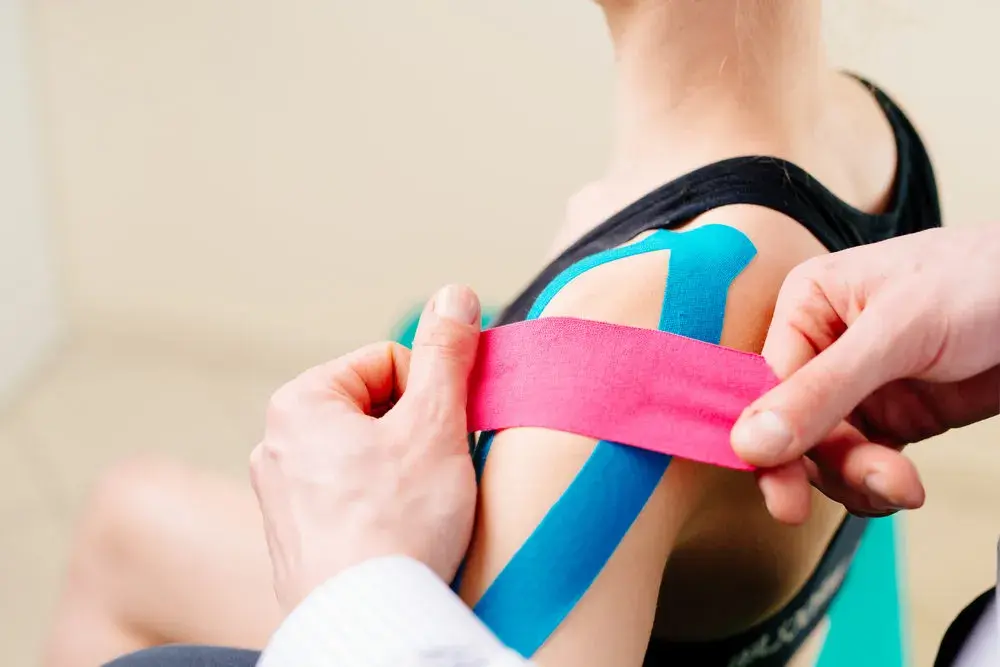
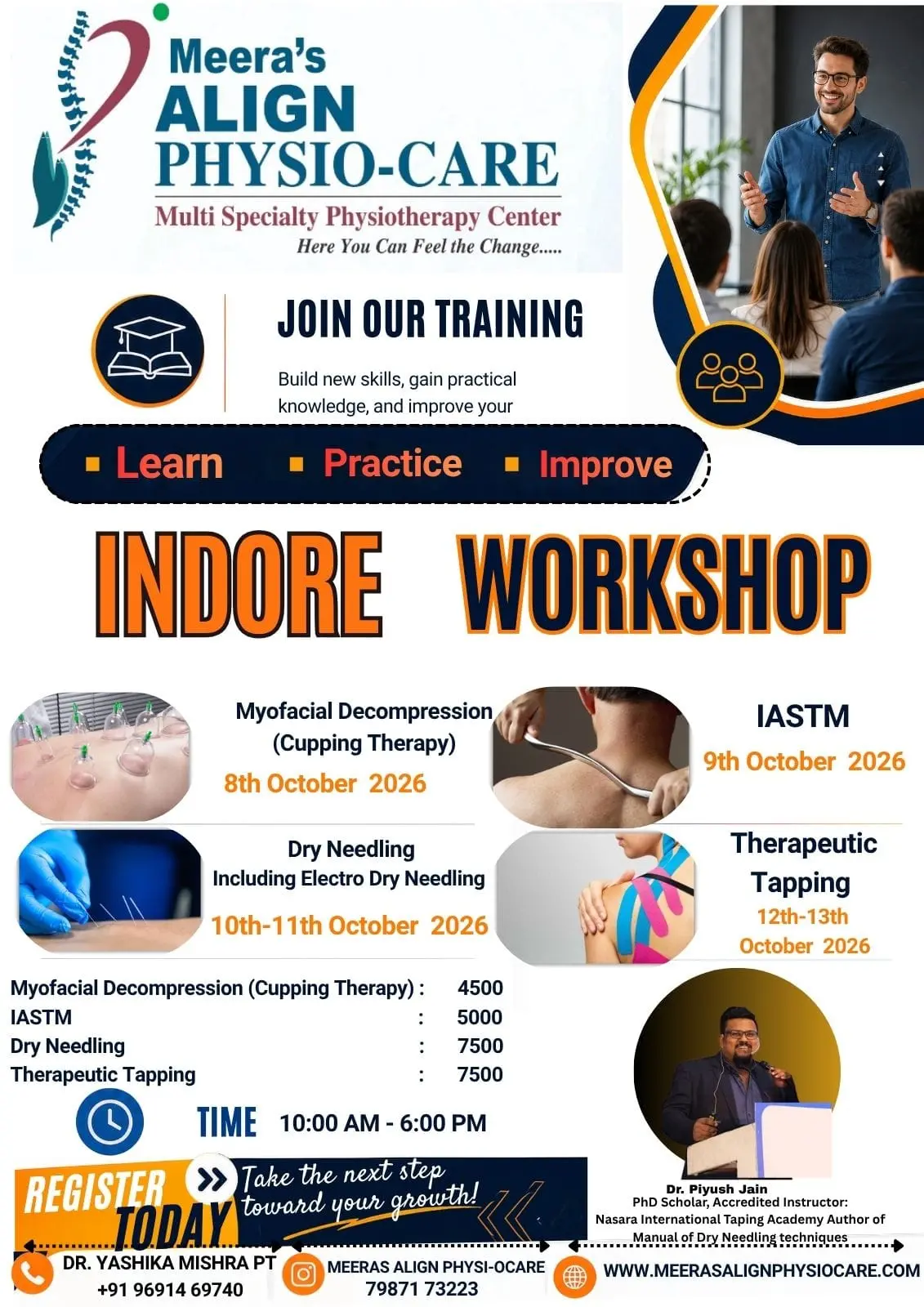
Kinesio Taping is a physiotherapy technique that uses a flexible, elastic therapeutic tape applied to the skin to provide support and sensory feedback without significantly restricting normal movement. It is commonly used as a supportive treatment for musculoskeletal conditions, sports injuries, muscle discomfort, swelling, and movement-related problems.
Unlike rigid athletic tape, kinesiology tape is designed to stretch and move with the body. The physiotherapist applies the tape in specific patterns and with an appropriate level of tension based on the patient's condition and treatment goals. The technique may be used to support muscles and joints, improve movement awareness, and complement other physiotherapy treatments.
How Kinesio Taping Works
Kinesiology tape is applied directly to the skin over or around the affected area. Depending on the application technique, the tape may provide gentle mechanical support and stimulate sensory receptors in the skin.
This additional sensory input may help a patient become more aware of the position and movement of a particular body part. In some cases, the tape may also be used as part of a treatment approach for localized swelling or soft-tissue discomfort.
The exact application depends on the area being treated. A physiotherapist may use different taping patterns for the neck, shoulder, back, knee, ankle, wrist, or other areas.
Conditions That May Benefit
Depending on the patient's assessment, Kinesio Taping may be incorporated into physiotherapy treatment for:
- Neck and shoulder discomfort
- Back pain
- Knee pain
- Ankle and foot problems
- Sports-related injuries
- Muscle strains
- Joint support and movement control
- Postural and movement-related problems
- Certain soft-tissue injuries
- Swelling associated with some musculoskeletal conditions
Benefits of Kinesio Taping
When clinically appropriate, kinesiology taping may help:
- Provide temporary support to affected areas
- Improve movement awareness
- Assist with muscle and joint control
- Reduce discomfort during certain activities
- Support rehabilitation exercises
- Encourage appropriate movement patterns
- Provide additional support during physical activity
- Complement other physiotherapy techniques
Kinesio taping is generally intended to support rehabilitation rather than replace active treatment. Its effectiveness can vary depending on the condition and individual patient.
What to Expect During Treatment
Before applying the tape, the physiotherapist assesses your symptoms, movement patterns, posture, and functional limitations. The skin is cleaned and prepared so that the tape can adhere properly.
The physiotherapist then selects the appropriate tape length, direction, and application technique. The tape is carefully placed over the targeted area, with the amount of stretch determined by the intended purpose of the application.
You may feel a gentle pulling or supportive sensation after the tape is applied. The tape is designed to move with your body, allowing you to continue many normal movements and prescribed exercises.
Kinesio Taping for Sports and Rehabilitation
Kinesio Taping can be useful as part of a sports rehabilitation program. Athletes may receive taping alongside strengthening, stretching, mobility exercises, balance training, and sport-specific rehabilitation.
For example, taping may be used to provide additional sensory feedback around the knee or shoulder while the patient works on strengthening and movement-control exercises. This allows the tape to complement the active rehabilitation process.
Personalized Kinesio Taping
The placement and application of kinesiology tape should be selected according to the patient's specific condition rather than using the same technique for everyone. Your physiotherapist considers the affected area, symptoms, movement limitations, skin condition, and rehabilitation goals before applying the tape.
At our physiotherapy clinic, Kinesio Taping is provided as part of an individualized treatment plan. Our physiotherapists use appropriate taping techniques to support movement, comfort, and rehabilitation while combining them with exercises and other physiotherapy interventions when required.
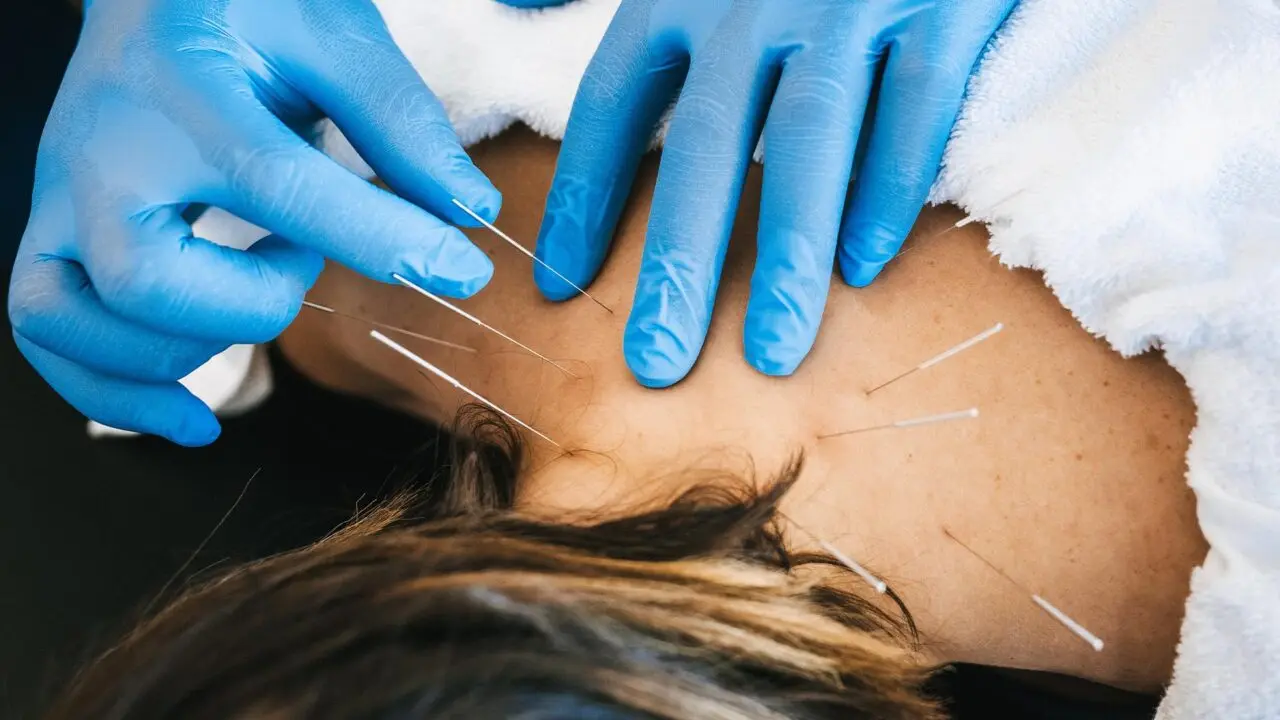
Dry needling is a physiotherapy technique that uses very thin, sterile needles to target specific muscles and areas of soft-tissue tension. It is primarily used to address muscular pain, tightness, and trigger points that may contribute to restricted movement or discomfort. Unlike acupuncture, dry needling is generally based on modern musculoskeletal and neurophysiological principles and is commonly used as part of a broader physiotherapy rehabilitation program.
During dry needling, a trained physiotherapist carefully identifies the muscles or trigger points that may be contributing to the patient's symptoms. A sterile, single-use needle is then inserted through the skin into the targeted muscle or soft tissue. The technique and depth of insertion are selected according to the patient's condition, treatment area, and clinical assessment.
How Dry Needling May Help
Dry needling can be used to address areas of increased muscle tension and sensitivity. Stimulation of the targeted tissue may help reduce muscle tightness and improve the patient's ability to move the affected area comfortably.
By addressing muscular restrictions, dry needling may also make it easier for patients to participate in stretching, strengthening, mobility exercises, and other rehabilitation activities. It is generally used as a complementary technique rather than as a replacement for active physiotherapy.
Conditions That May Benefit
Depending on the physiotherapist's assessment, dry needling may be incorporated into treatment for:
- Neck and shoulder pain
- Upper-back and lower-back pain
- Muscle tightness and trigger points
- Sports-related muscle injuries
- Muscle strains
- Hip and gluteal muscle tightness
- Certain knee-related muscular problems
- Restricted range of movement
- Persistent muscular discomfort
- Myofascial pain conditions
What to Expect During Treatment
Before treatment, the physiotherapist performs an assessment to identify the muscles and tissues that may require treatment. The treatment area is cleaned, and sterile, single-use needles are used.
You may feel a brief prick as the needle passes through the skin, followed by a sensation of pressure, twitching, or muscle contraction in some cases. The physiotherapist controls the technique throughout the procedure and adjusts the treatment according to your response.
Some temporary soreness, tenderness, or minor bruising can occur after dry needling. These effects usually settle naturally, but your physiotherapist will provide appropriate aftercare guidance.
Dry Needling as Part of Physiotherapy
Dry needling is often combined with manual therapy, stretching, strengthening exercises, mobility training, posture correction, and other rehabilitation techniques. Combining these approaches allows treatment to address both immediate muscular symptoms and the underlying movement or strength problems contributing to them.
At our physiotherapy clinic, dry needling is performed by a trained professional following an individual assessment. The technique is selected only when clinically appropriate, with treatment focused on reducing muscular discomfort, improving mobility, and supporting your overall rehabilitation and functional recovery.
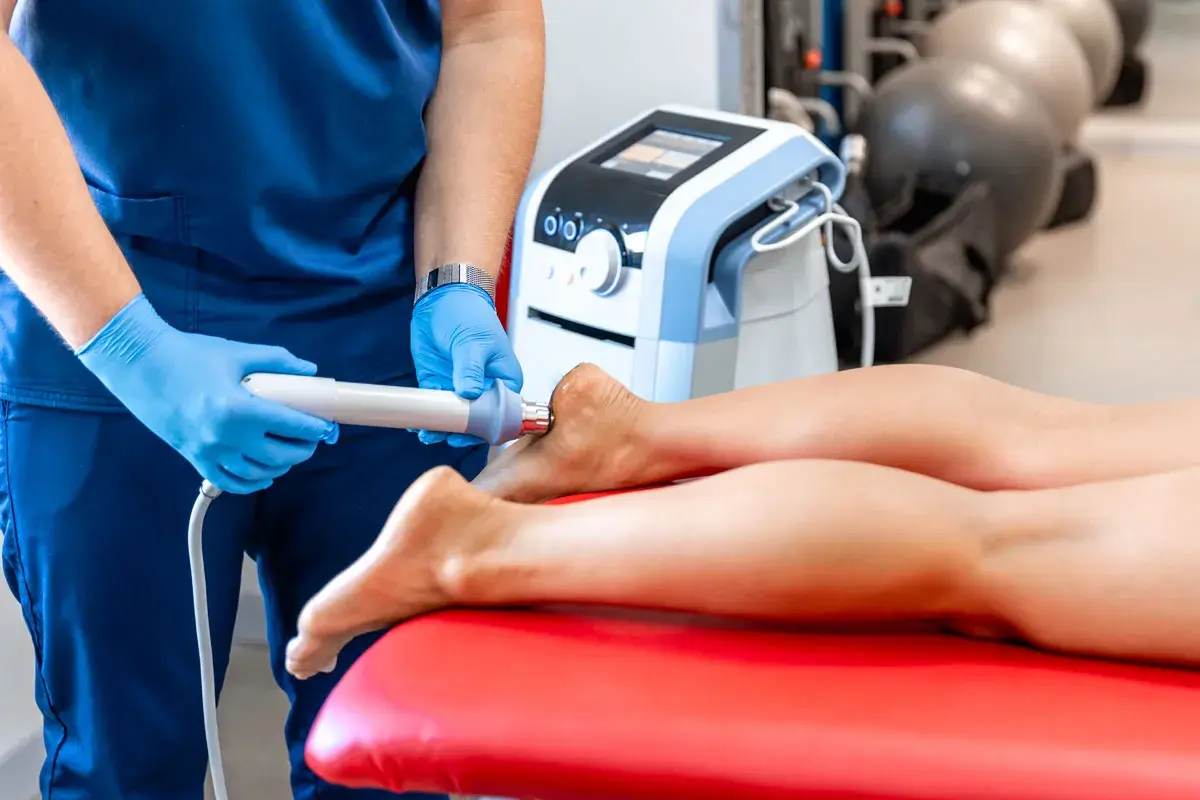
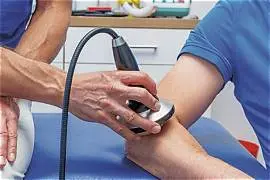
Shockwave Therapy is a non-invasive physiotherapy treatment that uses controlled acoustic waves to deliver mechanical energy to targeted areas of the body. It is commonly used for persistent tendon and soft-tissue problems, particularly when symptoms have continued despite conventional treatment. The therapy is designed to stimulate local tissue responses, support the body's natural healing processes, and help reduce pain and improve function.
During treatment, a physiotherapist uses a specialized shockwave device to deliver controlled pulses to the affected area. The intensity and frequency of the waves are adjusted according to the patient's condition, treatment area, and tolerance. Unlike surgery, shockwave therapy does not require an incision and is generally performed as an outpatient physiotherapy treatment.
How Shockwave Therapy May Help
Shockwaves create mechanical stimulation within the targeted tissues. This stimulation may encourage local biological responses associated with tissue repair and remodeling. It can also influence pain sensitivity and help improve the functional condition of tissues affected by chronic or repetitive stress.
The treatment is often considered when a tendon or soft-tissue problem has become persistent and is affecting normal movement or physical activity. Shockwave therapy may be combined with a structured exercise program to address strength, flexibility, load management, and movement patterns.
Conditions That May Benefit
Depending on the patient's assessment, Shockwave Therapy may be incorporated into treatment for:
- Plantar fasciitis and heel pain
- Achilles tendon problems
- Tennis elbow
- Golfer's elbow
- Patellar tendon problems
- Rotator cuff-related shoulder pain
- Chronic tendon pain
- Certain muscle and soft-tissue injuries
- Persistent musculoskeletal pain
- Some calcific tendon conditions
What to Expect During Treatment
Before beginning treatment, the physiotherapist evaluates your symptoms, movement, medical history, and affected tissues to determine whether shockwave therapy is appropriate.
During the session, a conductive gel is generally applied to the skin over the treatment area. The therapist then positions the shockwave applicator and delivers controlled pulses to the targeted tissue.
You may experience tapping, pressure, or mild discomfort during treatment. The intensity can usually be adjusted according to your tolerance. A treatment session is relatively short, although the exact duration and number of sessions depend on the condition being treated and the physiotherapist's treatment plan.
Some temporary soreness, sensitivity, redness, or mild swelling can occur following treatment. Your physiotherapist will provide appropriate aftercare instructions and advise you about activity levels following the session.
Benefits of Shockwave Therapy
When clinically appropriate, shockwave therapy may help:
- Reduce persistent pain
- Support tissue healing and remodeling
- Improve local tissue function
- Improve mobility and physical function
- Address chronic tendon-related problems
- Reduce sensitivity in affected tissues
- Support return to exercise and daily activities
Shockwave Therapy as Part of Rehabilitation
Shockwave therapy is generally most effective when incorporated into a complete physiotherapy rehabilitation program. Your physiotherapist may combine it with therapeutic exercises, progressive strengthening, stretching, mobility training, manual therapy, and activity modification.
The treatment plan is based on the underlying cause of your symptoms rather than simply treating the location of pain. Regular reassessment helps the physiotherapist monitor your progress and adjust your rehabilitation program as needed.
At our physiotherapy clinic, Shockwave Therapy is provided following an individual assessment and under professional supervision. Our goal is to help manage persistent musculoskeletal pain, improve function, and support a progressive return to normal activities, exercise, and sport.
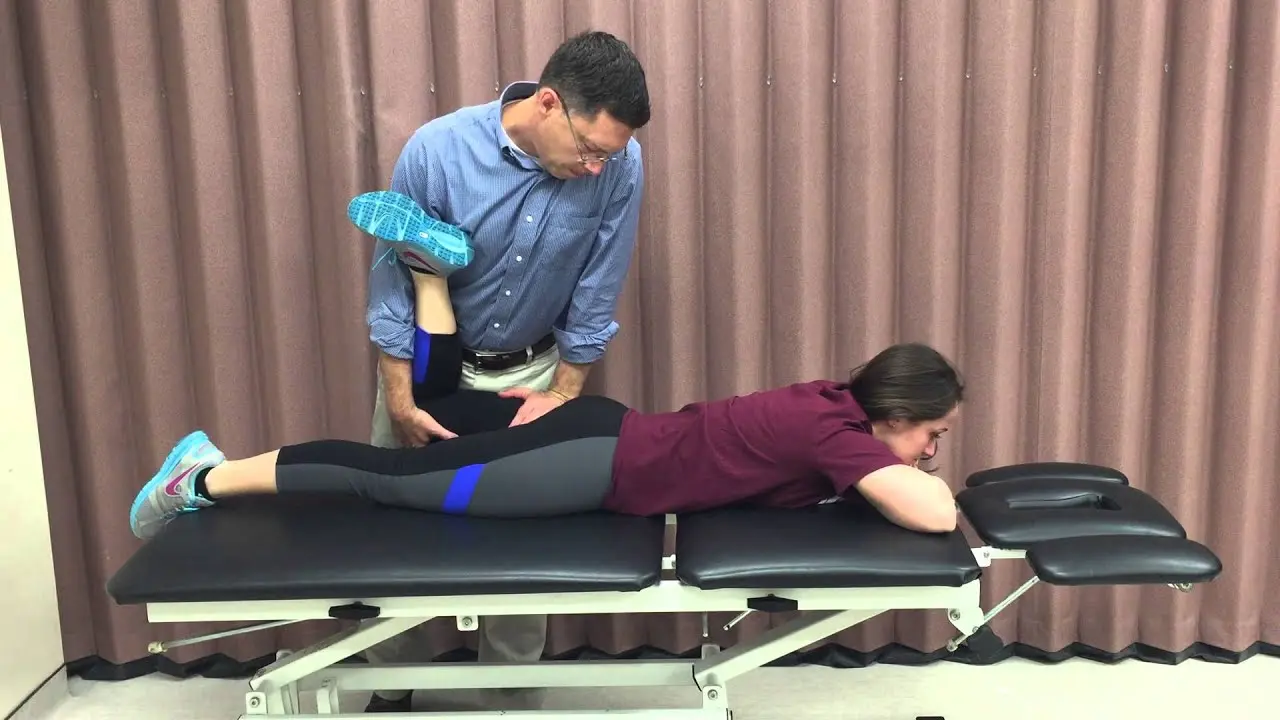
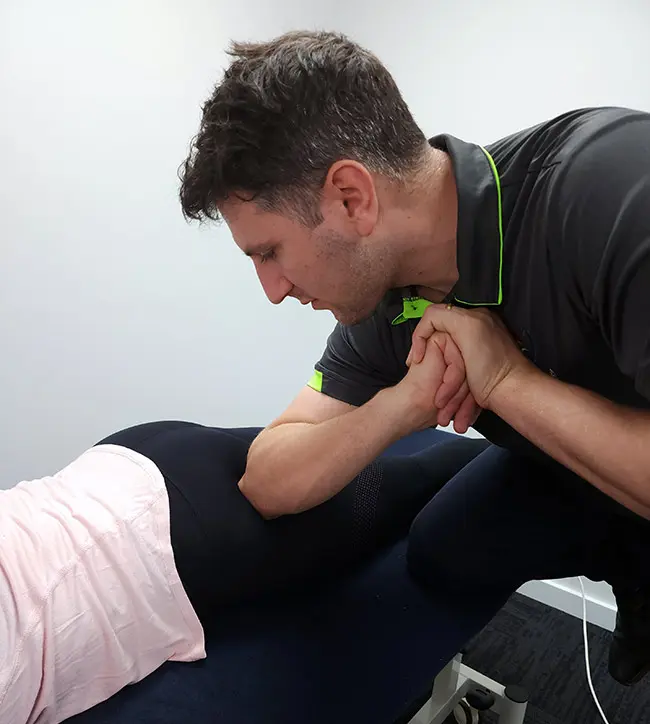
Hip Joint Mobilization is a hands-on physiotherapy technique used to improve mobility, flexibility, and function of the hip joint. The hip is a major weight-bearing joint involved in walking, standing, climbing stairs, running, squatting, and many other everyday movements. Pain, injury, prolonged inactivity, muscle tightness, or joint stiffness can reduce hip mobility and affect the way a person moves.
During hip joint mobilization, a trained physiotherapist applies gentle and controlled manual movements to the hip joint. The technique is selected according to the patient's symptoms, range of motion, joint stiffness, physical assessment, and rehabilitation goals. It may help reduce stiffness, improve comfortable movement, and prepare the hip for active rehabilitation exercises.
How Hip Joint Mobilization Works
The hip is a ball-and-socket joint formed by the head of the femur and the socket of the pelvis. Normal hip movement requires the joint and surrounding muscles and soft tissues to work together efficiently.
When movement becomes restricted, the physiotherapist assesses which directions of hip movement are limited. Controlled joint mobilization techniques may then be applied to encourage improved movement within an appropriate range.
The physiotherapist may use different techniques depending on the patient's needs, including gentle joint gliding, oscillatory movements, traction, or sustained mobilization. The intensity and direction are carefully controlled throughout the treatment.
Conditions That May Benefit
Depending on the clinical assessment, hip joint mobilization may be incorporated into physiotherapy treatment for:
- Hip pain and stiffness
- Reduced hip range of motion
- Hip osteoarthritis
- Post-injury hip stiffness
- Muscle tightness affecting hip movement
- Reduced mobility following periods of inactivity
- Certain sports-related hip conditions
- Movement restrictions affecting walking or squatting
- Hip-related functional limitations
Benefits of Hip Joint Mobilization
When clinically appropriate, hip joint mobilization may help:
- Improve hip joint mobility
- Reduce stiffness
- Increase comfortable range of motion
- Improve walking and functional movement
- Reduce movement-related discomfort
- Improve flexibility of surrounding tissues
- Prepare the hip for therapeutic exercises
- Support recovery following appropriate injuries
Improved hip mobility can also help reduce compensatory movement patterns in other areas of the body, allowing the lower limb to function more efficiently.
What to Expect During Treatment
Before treatment, your physiotherapist assesses your hip movement, muscle flexibility, strength, posture, walking pattern, and functional limitations. Specific movements may be tested to identify areas of restriction.
During treatment, you will be positioned comfortably while the physiotherapist supports the leg and applies controlled movements to the hip joint. Depending on the technique, you may experience gentle pressure, stretching, or a mild pulling sensation.
The treatment is performed within an appropriate range, and the intensity is adjusted according to your symptoms and response. Your physiotherapist continuously monitors your comfort throughout the session.
Hip Mobilization and Exercise Therapy
Hip joint mobilization is often combined with active physiotherapy exercises. Once appropriate mobility has been achieved, exercises may be introduced or progressed to help maintain the improvement and develop strength and movement control.
Your rehabilitation program may include:
- Hip mobility exercises
- Hip and glute strengthening
- Core strengthening
- Stretching exercises
- Balance and stability training
- Functional movement exercises
- Gait training
- Postural and movement correction
This combination helps address both mobility restrictions and the strength or movement-control issues that may contribute to ongoing symptoms.
Hip Joint Mobilization for Functional Recovery
Healthy hip mobility is important for everyday activities such as getting up from a chair, climbing stairs, walking, bending, and squatting. Athletes also require adequate hip mobility for running, jumping, changing direction, and sport-specific movements.
A physiotherapist can progressively adapt the treatment and exercise program according to the patient's goals, whether the objective is returning to comfortable daily movement, work, exercise, or sports.
Personalized Hip Joint Mobilization
The appropriate mobilization technique varies according to the individual's condition. Your physiotherapist considers the cause of your symptoms, joint mobility, muscle flexibility, strength, pain response, and functional requirements before selecting the treatment approach.
At our physiotherapy clinic, Hip Joint Mobilization is provided following an individual assessment and under professional supervision. Treatment is tailored to your specific needs with the aim of improving hip mobility, reducing stiffness, restoring comfortable movement, and supporting a safe return to daily activities and physical exercise.
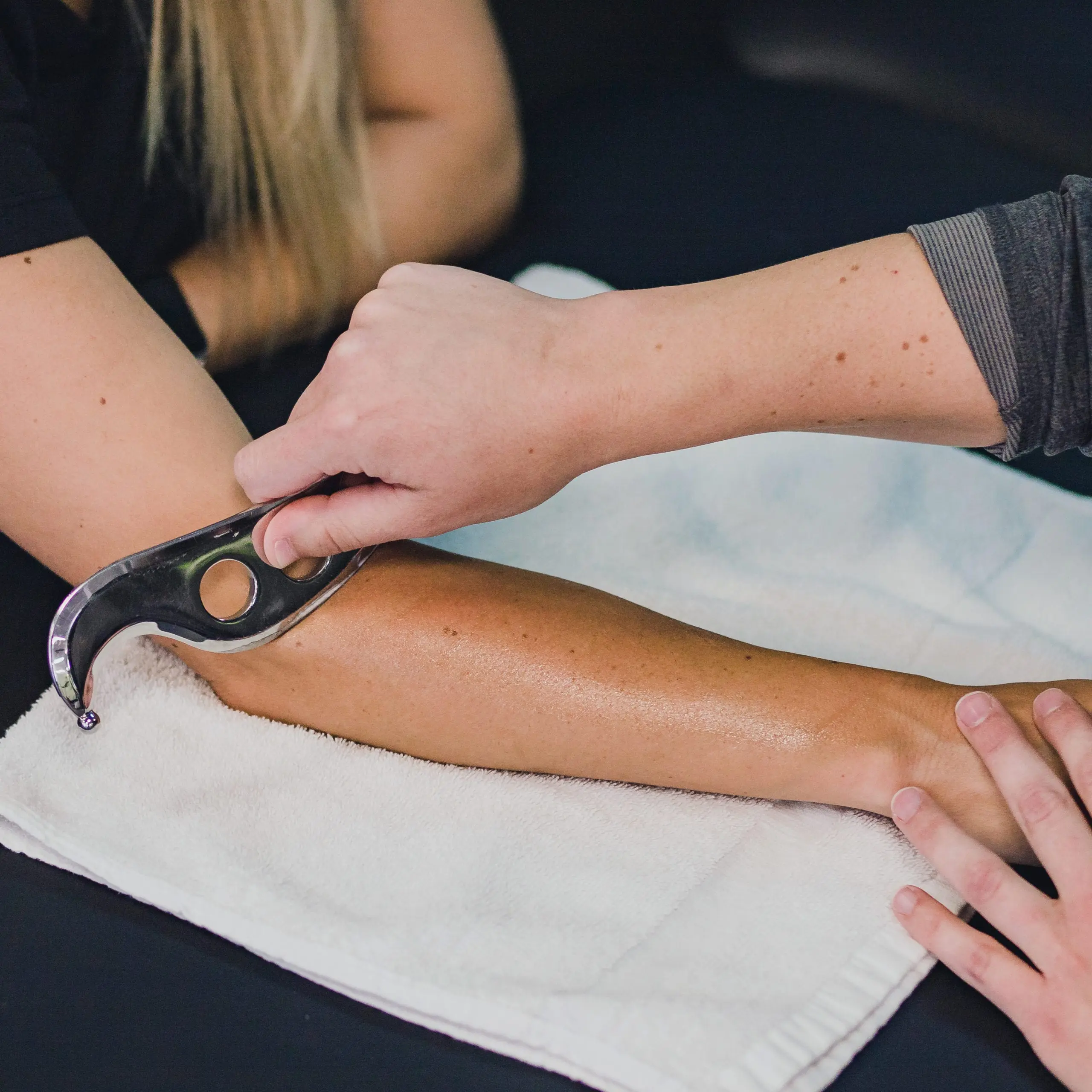
IASTM (Instrument-Assisted Soft Tissue Mobilization) Therapy is a physiotherapy technique that uses specially designed handheld instruments to assess and treat restrictions in muscles, fascia, and other soft tissues. The instruments allow the physiotherapist to apply controlled pressure and precise strokes over targeted areas to help address soft-tissue tightness, restricted movement, and certain musculoskeletal conditions.
IASTM is often incorporated into a broader physiotherapy rehabilitation program and may be used alongside therapeutic exercises, stretching, manual therapy, strengthening, and mobility training.
How IASTM Therapy Works
During IASTM treatment, the physiotherapist uses a specialized instrument to gently glide, sweep, or apply controlled pressure over the affected soft tissues. The instrument helps the therapist identify areas of altered tissue texture, tightness, or sensitivity and provides a focused method of applying treatment.
The technique is generally performed along muscles, tendons, fascia, and other soft-tissue structures where mobility may be restricted. Treatment intensity and technique are adjusted according to the patient's condition, treatment area, and tolerance.
The mechanical stimulation may help improve the mobility of soft tissues and support a more comfortable range of movement.
Conditions That May Benefit
Depending on the patient's assessment, IASTM may be incorporated into physiotherapy treatment for:
- Muscle tightness and stiffness
- Sports-related injuries
- Tendon-related conditions
- Soft-tissue restrictions
- Reduced flexibility
- Scar-tissue restrictions
- Repetitive strain problems
- Neck and shoulder stiffness
- Back and lower-back muscle tightness
- Hip and leg mobility restrictions
- Certain chronic musculoskeletal conditions
Benefits of IASTM Therapy
When clinically appropriate, IASTM may help:
- Improve soft-tissue mobility
- Reduce the sensation of muscular tightness
- Improve flexibility
- Increase comfortable range of motion
- Address areas of soft-tissue restriction
- Support recovery from certain soft-tissue injuries
- Prepare tissues for stretching and exercise
- Improve movement quality
The treatment is generally used to support active rehabilitation rather than replace exercise-based therapy.
What to Expect During Treatment
Before beginning treatment, the physiotherapist assesses your symptoms, movement, flexibility, muscle condition, and areas of soft-tissue restriction.
A suitable instrument is selected based on the treatment area and objective. The physiotherapist then applies controlled strokes or pressure over the targeted tissue.
You may experience a feeling of pressure, pulling, or mild tenderness during treatment. The intensity is adjusted according to your tolerance and the condition being treated.
Temporary redness or mild sensitivity may occur in the treated area. Your physiotherapist will provide appropriate aftercare guidance based on your individual treatment.
IASTM for Sports Rehabilitation
IASTM is commonly incorporated into rehabilitation programs for physically active individuals and athletes. Repetitive training, high physical loads, and previous injuries can sometimes contribute to soft-tissue tightness and restricted mobility.
When appropriate, IASTM may be combined with strength training, stretching, mobility exercises, balance training, and sport-specific rehabilitation to help athletes progressively return to their normal activity levels.
IASTM and Scar Tissue
In selected cases, IASTM may also be used to address restrictions associated with healed scar tissue. The physiotherapist evaluates the scar and surrounding tissues before deciding whether instrument-assisted techniques are appropriate.
Treatment is performed carefully and should only be introduced when the tissue has adequately healed and there are no contraindications to treatment.
IASTM as Part of Physiotherapy
IASTM Therapy is generally most effective when integrated into a complete rehabilitation program. Following soft-tissue treatment, your physiotherapist may prescribe exercises designed to maintain mobility, improve strength, and correct movement patterns.
At our physiotherapy clinic, IASTM Therapy is provided following an individual assessment and under professional supervision. Treatment is customized according to your symptoms and rehabilitation goals, with the aim of improving soft-tissue mobility, flexibility, comfortable movement, and functional recovery.



Our Treatments
What We Treat, How We Treat It.


“This clinic is good”

Akshita Mishra
Work Done
+ 8 k
Awarded winner
+ 5
Happy clients
+ 7 k
Years of experience
+ 12
Team
Meet Our Physiotherapy Experts

Dr. Akshay Pal

Dr. Yashika Rajesh Mishra