Shockwave Therapy
Shockwave Therapy is a non-invasive physiotherapy treatment that uses controlled acoustic waves to deliver mechanical energy to targeted areas of the body. It is commonly used for persistent tendon and soft-tissue problems, particularly when symptoms have continued despite conventional treatment. The therapy is designed to stimulate local tissue responses, support the body's natural healing processes, and help reduce pain and improve function.
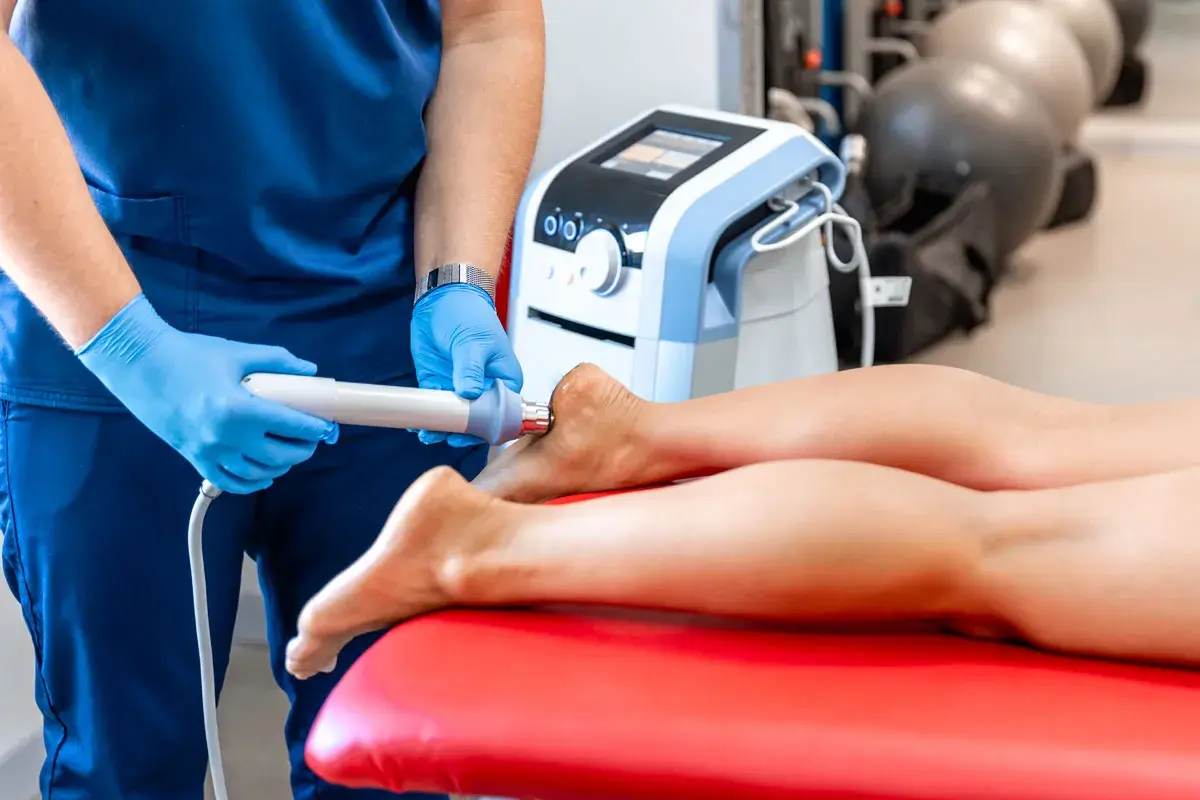
During treatment, a physiotherapist uses a specialized shockwave device to deliver controlled pulses to the affected area. The intensity and frequency of the waves are adjusted according to the patient's condition, treatment area, and tolerance. Unlike surgery, shockwave therapy does not require an incision and is generally performed as an outpatient physiotherapy treatment.
How Shockwave Therapy May Help
Shockwaves create mechanical stimulation within the targeted tissues. This stimulation may encourage local biological responses associated with tissue repair and remodeling. It can also influence pain sensitivity and help improve the functional condition of tissues affected by chronic or repetitive stress.
The treatment is often considered when a tendon or soft-tissue problem has become persistent and is affecting normal movement or physical activity. Shockwave therapy may be combined with a structured exercise program to address strength, flexibility, load management, and movement patterns.
Conditions That May Benefit
Depending on the patient's assessment, Shockwave Therapy may be incorporated into treatment for:
- Plantar fasciitis and heel pain
- Achilles tendon problems
- Tennis elbow
- Golfer's elbow
- Patellar tendon problems
- Rotator cuff-related shoulder pain
- Chronic tendon pain
- Certain muscle and soft-tissue injuries
- Persistent musculoskeletal pain
- Some calcific tendon conditions
What to Expect During Treatment
Before beginning treatment, the physiotherapist evaluates your symptoms, movement, medical history, and affected tissues to determine whether shockwave therapy is appropriate.
During the session, a conductive gel is generally applied to the skin over the treatment area. The therapist then positions the shockwave applicator and delivers controlled pulses to the targeted tissue.
You may experience tapping, pressure, or mild discomfort during treatment. The intensity can usually be adjusted according to your tolerance. A treatment session is relatively short, although the exact duration and number of sessions depend on the condition being treated and the physiotherapist's treatment plan.
Some temporary soreness, sensitivity, redness, or mild swelling can occur following treatment. Your physiotherapist will provide appropriate aftercare instructions and advise you about activity levels following the session.
Benefits of Shockwave Therapy
When clinically appropriate, shockwave therapy may help:
- Reduce persistent pain
- Support tissue healing and remodeling
- Improve local tissue function
- Improve mobility and physical function
- Address chronic tendon-related problems
- Reduce sensitivity in affected tissues
- Support return to exercise and daily activities
Shockwave Therapy as Part of Rehabilitation
Shockwave therapy is generally most effective when incorporated into a complete physiotherapy rehabilitation program. Your physiotherapist may combine it with therapeutic exercises, progressive strengthening, stretching, mobility training, manual therapy, and activity modification.
The treatment plan is based on the underlying cause of your symptoms rather than simply treating the location of pain. Regular reassessment helps the physiotherapist monitor your progress and adjust your rehabilitation program as needed.
At our physiotherapy clinic, Shockwave Therapy is provided following an individual assessment and under professional supervision. Our goal is to help manage persistent musculoskeletal pain, improve function, and support a progressive return to normal activities, exercise, and sport.