Muscle Stretching Therapy
Muscle Stretching Therapy is a physiotherapy treatment approach designed to improve muscle flexibility, joint mobility, and overall movement. It involves carefully selected stretching techniques that target shortened, tight, or less flexible muscles and surrounding soft tissues.
Muscle tightness can develop due to prolonged sitting, poor posture, repetitive activities, physical inactivity, sports training, injury, or changes in normal movement patterns. Restricted flexibility may affect joint movement and cause difficulty with activities such as walking, bending, reaching, squatting, or exercising.
During Muscle Stretching Therapy, a physiotherapist evaluates the patient's flexibility and movement restrictions and selects appropriate stretching techniques according to the individual's condition and rehabilitation goals.
How Muscle Stretching Therapy Works
The physiotherapist first assesses muscle flexibility, joint range of motion, posture, movement patterns, and areas of tightness. Based on the assessment, specific muscles are selected for treatment.
The therapist may use passive, active, assisted, or dynamic stretching techniques depending on the patient's needs. During passive stretching, the physiotherapist gently moves the limb while the patient remains relaxed. In active stretching, the patient uses their own muscle control to move into an appropriate range.
Stretching is performed gradually and within a comfortable range. The intensity and duration are adjusted according to the patient's condition, flexibility, and tolerance.
Conditions That May Benefit
Depending on the clinical assessment, Muscle Stretching Therapy may be incorporated into treatment for:
- Muscle tightness and stiffness
- Reduced flexibility
- Neck and shoulder stiffness
- Back stiffness
- Hip mobility restrictions
- Tight hamstrings
- Tight quadriceps
- Calf muscle tightness
- Reduced joint range of motion
- Sports-related muscle tightness
- Postural movement problems
- Recovery following certain injuries
Benefits of Muscle Stretching Therapy
When appropriately prescribed, stretching therapy may help:
- Improve muscle flexibility
- Increase joint range of motion
- Reduce the sensation of stiffness
- Improve movement quality
- Support better posture and mobility
- Improve functional movement
- Prepare muscles for exercise
- Support recovery following appropriate injuries
- Improve flexibility required for sports and physical activities
Improved flexibility can make everyday movements easier and may allow patients to perform strengthening and rehabilitation exercises more effectively.
Types of Stretching Used in Physiotherapy
Depending on the patient's condition, the physiotherapist may use different approaches:
Passive Stretching:
The therapist assists the movement while the patient relaxes the targeted muscle.
Active Stretching:
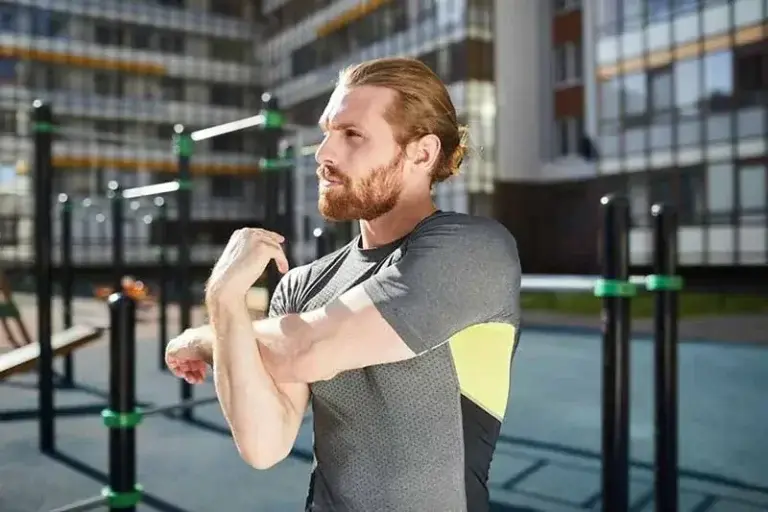
The patient actively moves the body part into the prescribed stretching position.
Assisted Stretching:
The patient performs the movement while receiving support or guidance from the physiotherapist.
Dynamic Stretching:
Controlled, repetitive movements are used to gradually take muscles through an appropriate range of motion.
PNF-Based Stretching:
Specific contraction and relaxation patterns may be incorporated when clinically appropriate to improve flexibility and movement control.
What to Expect During Treatment
Before beginning treatment, your physiotherapist assesses your flexibility and identifies movements that are restricted.
You will be positioned comfortably while the therapist guides the affected body part into an appropriate stretching position. You may feel a gentle pulling sensation in the targeted muscle.
Stretching should be controlled and appropriate for your condition. The therapist will avoid forcing the joint or muscle beyond its comfortable range and will adjust the technique according to your response.
Muscle Stretching for Sports Rehabilitation
Flexibility is an important part of many sports and physical activities. Athletes may require adequate flexibility in the hips, hamstrings, quadriceps, calves, shoulders, and other muscle groups to perform sport-specific movements efficiently.
Stretching may therefore be combined with strength training, mobility exercises, balance training, proprioception, and sport-specific rehabilitation. The program can be adjusted according to the athlete's sport and physical requirements.
Stretching as Part of Rehabilitation
Muscle Stretching Therapy is generally combined with other physiotherapy interventions rather than used alone. Depending on your condition, your rehabilitation program may include joint mobilization, strengthening exercises, posture correction, balance training, manual therapy, and functional movement exercises.
At our physiotherapy clinic, Muscle Stretching Therapy is customized according to your flexibility, movement limitations, physical condition, and rehabilitation goals. Our physiotherapists use appropriate stretching techniques to improve mobility and flexibility while helping you progress toward comfortable daily movement, exercise, work, and sports activities.