Fascial Release Therapy
Fascial Release Therapy is a hands-on physiotherapy technique designed to address restrictions, tightness, and reduced mobility within the fascia and surrounding soft tissues. Fascia is a connective tissue network that surrounds and supports muscles, tendons, joints, and other structures throughout the body. When this tissue becomes restricted or less mobile, it may contribute to stiffness, discomfort, reduced flexibility, and changes in normal movement.
During fascial release therapy, a trained physiotherapist applies slow, controlled pressure and stretching techniques to targeted areas of the body. The treatment is customized according to the patient's symptoms, movement limitations, posture, and rehabilitation requirements.
How Fascial Release Therapy Works
The physiotherapist begins by assessing posture, movement, flexibility, muscle tension, and areas where soft-tissue mobility may be restricted.
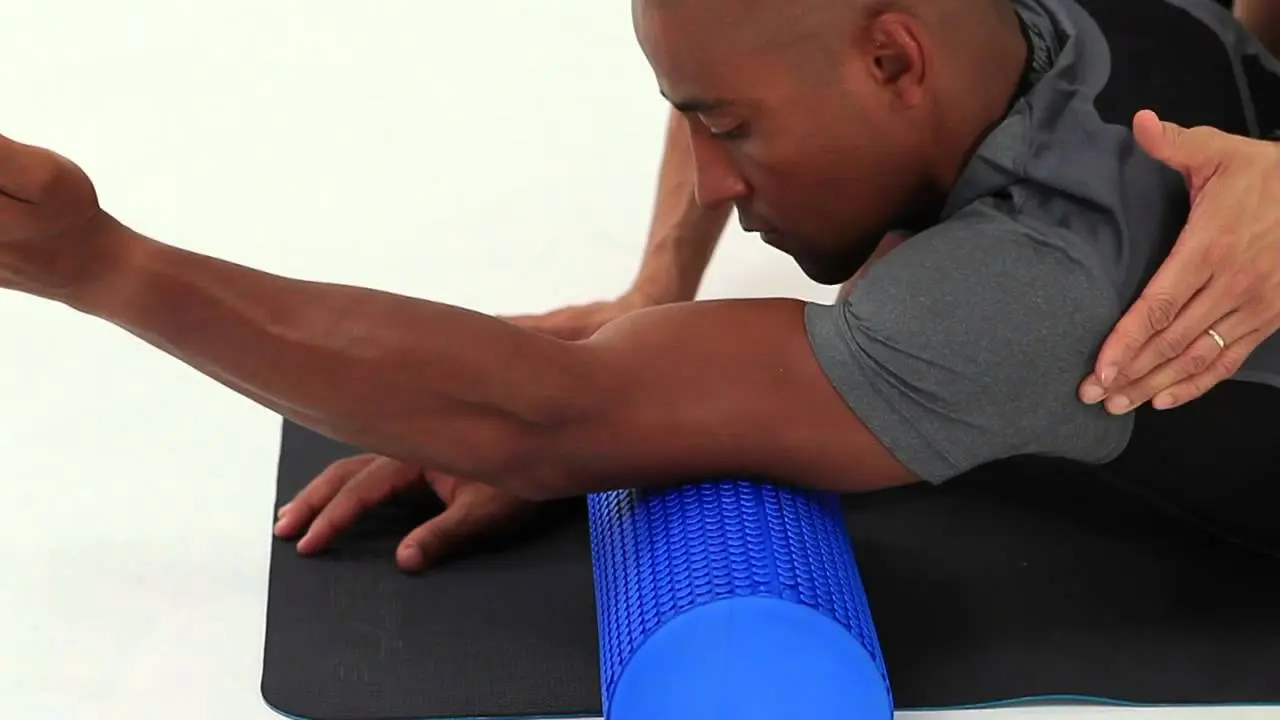
During treatment, the therapist uses their hands to apply sustained or gentle pressure to selected fascial and soft-tissue areas. The pressure may be combined with stretching or guided movement to encourage more comfortable tissue movement.
Unlike fast massage techniques, fascial release often involves slow, sustained, and controlled movements. The therapist gradually adjusts the pressure and direction based on how the tissues and patient respond.
Conditions That May Benefit
Depending on the clinical assessment, Fascial Release Therapy may be incorporated into physiotherapy treatment for:
- Neck stiffness
- Shoulder tightness
- Back and lower-back stiffness
- Hip mobility restrictions
- Leg and calf tightness
- Muscle tension
- Reduced flexibility
- Postural movement problems
- Sports-related soft-tissue tightness
- Restricted range of motion
- Certain musculoskeletal conditions
Benefits of Fascial Release Therapy
When clinically appropriate, fascial release may help:
- Improve soft-tissue mobility
- Reduce the sensation of stiffness
- Improve flexibility
- Increase comfortable range of motion
- Promote muscle relaxation
- Improve movement quality
- Reduce movement-related discomfort
- Prepare tissues for stretching and exercise
- Support functional rehabilitation
The effects can vary depending on the underlying condition, so the technique is generally used as one component of a complete physiotherapy treatment plan.
What to Expect During Treatment
Before treatment, the physiotherapist assesses your movement and identifies areas of tension or restricted soft-tissue mobility.
You will be positioned comfortably while the therapist applies controlled pressure to the targeted area. You may feel gentle pressure, stretching, or mild tenderness during certain techniques.
The therapist adjusts the pressure according to your tolerance. The treatment should be controlled rather than excessively forceful, and your response is monitored throughout the session.
Fascial Release for Different Areas
Neck and Shoulders:
May be used to address soft-tissue tightness associated with prolonged sitting, computer work, or repetitive movements.
Back:
May help improve soft-tissue mobility when muscular and fascial tightness contributes to restricted movement.
Hips:
Can be incorporated to address tightness around the hip and pelvis that affects mobility.
Legs:
May be used for tightness in the thighs, calves, and other areas affecting lower-limb flexibility and movement.
Fascial Release and Exercise Therapy
Fascial release is usually combined with active rehabilitation exercises. After improving soft-tissue mobility, your physiotherapist may prescribe stretching, strengthening, mobility, balance, posture, and functional exercises.
This combination helps maintain mobility while addressing the strength and movement-control factors that may contribute to recurring stiffness.
Personalized Fascial Release Therapy
The appropriate treatment area and technique depend on the individual's condition. Your physiotherapist considers your symptoms, movement patterns, flexibility, activity level, and rehabilitation goals before selecting the treatment approach.
At our physiotherapy clinic, Fascial Release Therapy is provided following an individual assessment and under professional supervision. Treatment is customized to help improve soft-tissue mobility, flexibility, comfortable movement, and overall physical function while supporting your broader rehabilitation program.