Active Release Technique
Active Release Technique (ART) is a hands-on soft-tissue treatment approach used to address areas of muscle and connective-tissue tightness that may contribute to discomfort, stiffness, and restricted movement. The technique combines specific manual pressure with active or guided movement of the affected body part.
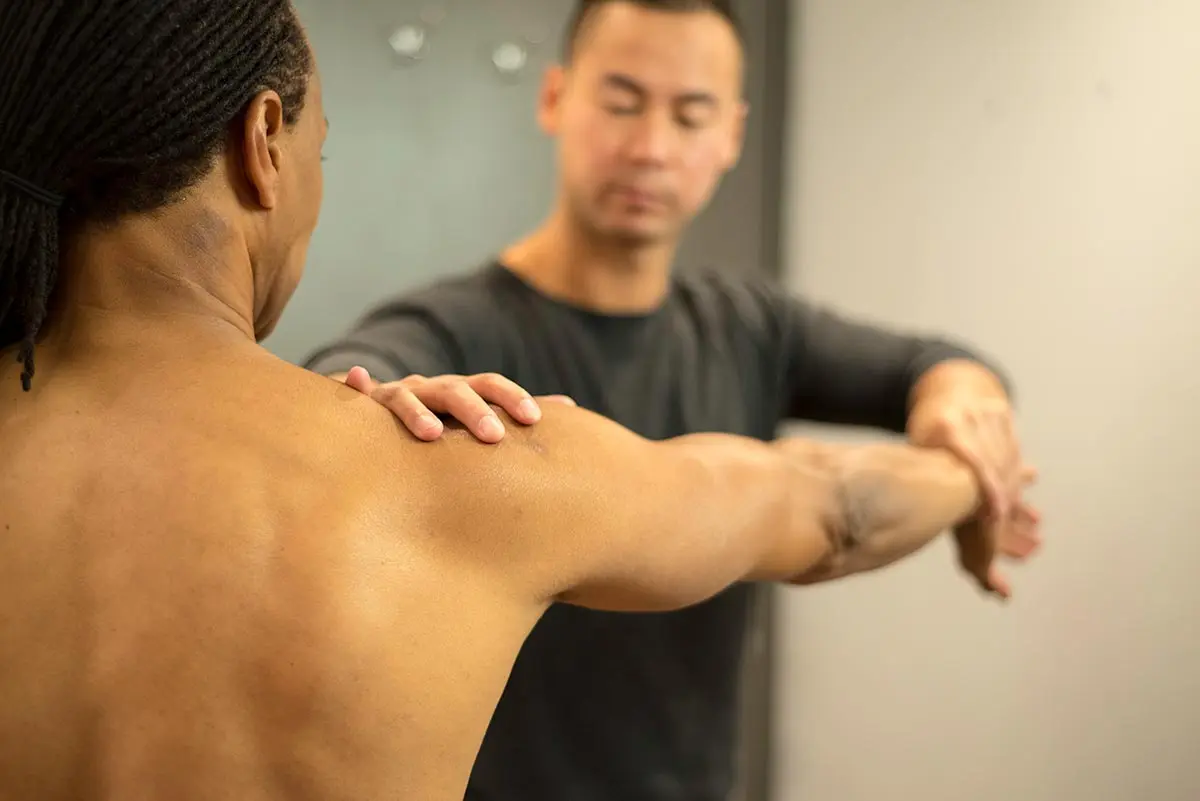
Unlike general massage, ART focuses on specific tissues and movement patterns. The physiotherapist identifies areas where soft-tissue movement may be restricted and applies controlled pressure while the patient performs a specific movement. This combination is intended to improve tissue mobility and help restore more comfortable movement.
How Active Release Technique Works
During an ART session, the physiotherapist first evaluates your symptoms, posture, movement, flexibility, and areas of muscular or soft-tissue restriction.
Once the affected tissue is identified, the physiotherapist places the tissue in a specific position and applies controlled manual pressure. You may then be asked to actively move the affected body part through a selected range of motion.
The combination of pressure and movement allows the therapist to work specifically on the targeted tissue while it changes length during the movement. The technique is adapted according to the patient's condition and tolerance.
Conditions That May Benefit
Depending on the clinical assessment, Active Release Technique may be incorporated into physiotherapy treatment for:
- Muscle tightness
- Neck and shoulder stiffness
- Back and lower-back discomfort
- Hip and leg tightness
- Sports-related muscle problems
- Repetitive strain conditions
- Reduced flexibility
- Soft-tissue restrictions
- Movement-related discomfort
- Certain overuse injuries
Benefits of Active Release Technique
When clinically appropriate, ART may help:
- Improve soft-tissue mobility
- Reduce the sensation of muscle tightness
- Improve flexibility
- Increase comfortable range of motion
- Improve movement quality
- Address localized soft-tissue restrictions
- Support recovery from certain muscle-related problems
- Prepare muscles and tissues for therapeutic exercise
The response to manual therapy varies between individuals, so ART is generally used as part of a broader rehabilitation program.
What to Expect During Treatment
Before treatment, the physiotherapist assesses the affected area and identifies movements or positions that reproduce your symptoms or reveal soft-tissue restrictions.
During treatment, you will be positioned comfortably while the physiotherapist applies pressure to a specific area. You may then be guided through a particular movement while maintaining contact with the targeted tissue.
You may experience pressure, stretching, or mild tenderness during treatment. The therapist adjusts the pressure and movement according to your tolerance and clinical response.
Active Release for Different Areas
ART can be adapted to different regions of the body.
Neck and Shoulders:
May be used to address tightness in muscles affected by prolonged sitting, repetitive work, or restricted movement.
Back:
May be incorporated when muscular tightness contributes to restricted spinal movement.
Hips:
Can be used for selected muscles around the hip when soft-tissue restrictions affect mobility.
Legs:
May be incorporated for tight muscles affecting flexibility, walking, running, or sporting activities.
Active Release and Sports Rehabilitation
Athletes frequently place high demands on their muscles and connective tissues. Repetitive training, intense exercise, and inadequate recovery can contribute to muscular tightness and restricted movement.
When appropriate, ART may be combined with strengthening exercises, stretching, mobility training, balance exercises, and sport-specific rehabilitation. This allows manual treatment to complement active rehabilitation rather than replace it.
Active Release Technique as Part of Physiotherapy
ART is generally most effective when integrated into an individualized physiotherapy program. Following manual treatment, your physiotherapist may prescribe exercises to improve strength, flexibility, movement control, and functional capacity.
For example, if muscle tightness is affecting shoulder movement, ART may be combined with shoulder mobility exercises, strengthening, posture correction, and functional training.
At our physiotherapy clinic, Active Release Technique (ART) is performed following an individual assessment and under professional supervision. Treatment is tailored to your specific symptoms and movement limitations, with the aim of improving soft-tissue mobility, flexibility, comfortable movement, and overall functional performance.