Pendulum Exercise Therapy
Pendulum Exercise Therapy, also known as the Codman Pendulum Exercise, is a gentle shoulder rehabilitation technique used to maintain or gradually improve shoulder mobility while minimizing active muscle effort around the joint. It is commonly incorporated into physiotherapy programs for patients experiencing shoulder pain, stiffness, or reduced range of motion, particularly when normal arm movement is uncomfortable.
The exercise uses the natural movement of the body and gravity to create a gentle pendulum motion of the arm. Rather than actively lifting the arm using the shoulder muscles, the patient allows the relaxed arm to swing gently in controlled directions. This can provide gentle movement to the shoulder joint and may help prevent excessive stiffness during rehabilitation.
How Pendulum Exercises Work
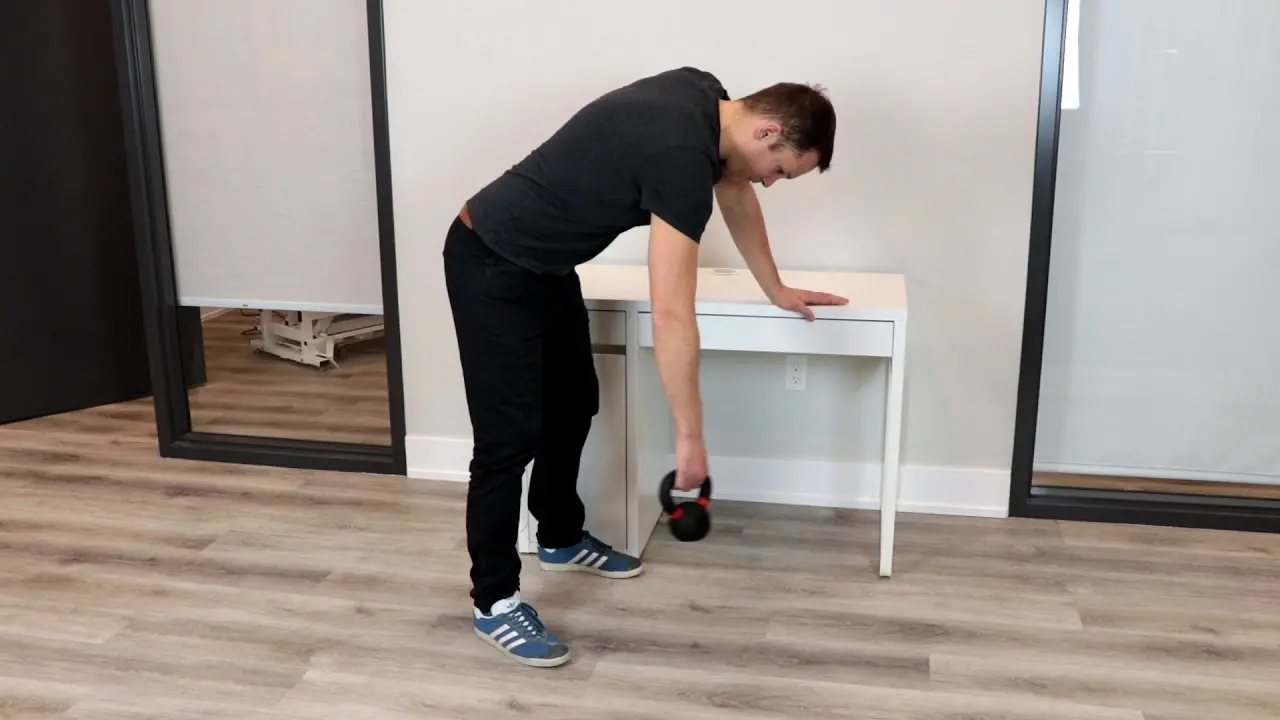
During the exercise, the patient generally bends slightly forward while supporting themselves with the unaffected arm on a stable surface. The affected arm is allowed to hang freely toward the floor in a relaxed position.
Small, controlled movements are then produced by gently moving the body rather than actively lifting the affected arm. The arm can move forward and backward, from side to side, or in small circular motions depending on the physiotherapist's instructions.
The movement should remain gentle and comfortable. The objective is not to force the shoulder through a large range but to encourage controlled movement while reducing unnecessary muscle activation.
Conditions That May Benefit
Depending on the patient's assessment, Pendulum Exercise Therapy may be included in rehabilitation for:
- Shoulder stiffness
- Frozen shoulder
- Shoulder pain
- Reduced shoulder range of motion
- Rotator cuff-related conditions
- Recovery following certain shoulder injuries
- Recovery following some shoulder surgeries, when prescribed
- Shoulder rehabilitation after periods of immobilization
- General shoulder mobility limitations
Benefits of Pendulum Exercises
When appropriately prescribed, pendulum exercises may help:
- Maintain gentle shoulder mobility
- Reduce feelings of stiffness
- Encourage comfortable joint movement
- Promote gradual restoration of range of motion
- Reduce the need for active shoulder lifting during early rehabilitation
- Prepare the shoulder for progressive exercises
- Support recovery following appropriate shoulder injuries or procedures
The exercise can be particularly useful during stages of rehabilitation when active shoulder movement is limited or needs to be gradually reintroduced.
What to Expect During Treatment
Your physiotherapist first evaluates your shoulder condition and determines whether pendulum exercises are appropriate. You will be shown the correct body position and movement technique.
You will typically lean forward while keeping your back and shoulder relaxed. The affected arm hangs comfortably toward the floor. Gentle body movements are then used to create small swinging or circular movements of the arm.
Your physiotherapist may adjust the size and direction of the movement according to your condition. As your shoulder mobility improves, the exercise program may be progressed to include more active range-of-motion and strengthening exercises.
Important Technique Considerations
Proper technique is important when performing pendulum exercises. The affected shoulder should remain relaxed rather than actively lifting or forcing the arm. Movements should be smooth and controlled, without sudden jerking.
The size of the pendulum movement should be appropriate for your current condition. Your physiotherapist will determine the number of repetitions, duration, and frequency based on your rehabilitation needs.
Pendulum Exercise as Part of Shoulder Rehabilitation
Pendulum exercises are generally used as one component of a complete shoulder rehabilitation program. They may be followed by active range-of-motion exercises, stretching, rotator cuff strengthening, scapular stabilization, posture exercises, and functional training as appropriate.
At our physiotherapy clinic, Pendulum Exercise Therapy is introduced according to the patient's individual condition and stage of recovery. Our physiotherapists provide guidance on proper technique and progression, helping patients gradually restore shoulder movement, flexibility, strength, and confidence in everyday activities.