Mulligan Therapy
Mulligan Therapy is a hands-on physiotherapy approach that combines specific joint mobilization techniques with active patient movement. It is commonly used to address pain, stiffness, and restricted movement in the joints and surrounding tissues. The approach is designed to help improve functional movement while keeping treatment comfortable and allowing the patient to actively participate in the process.
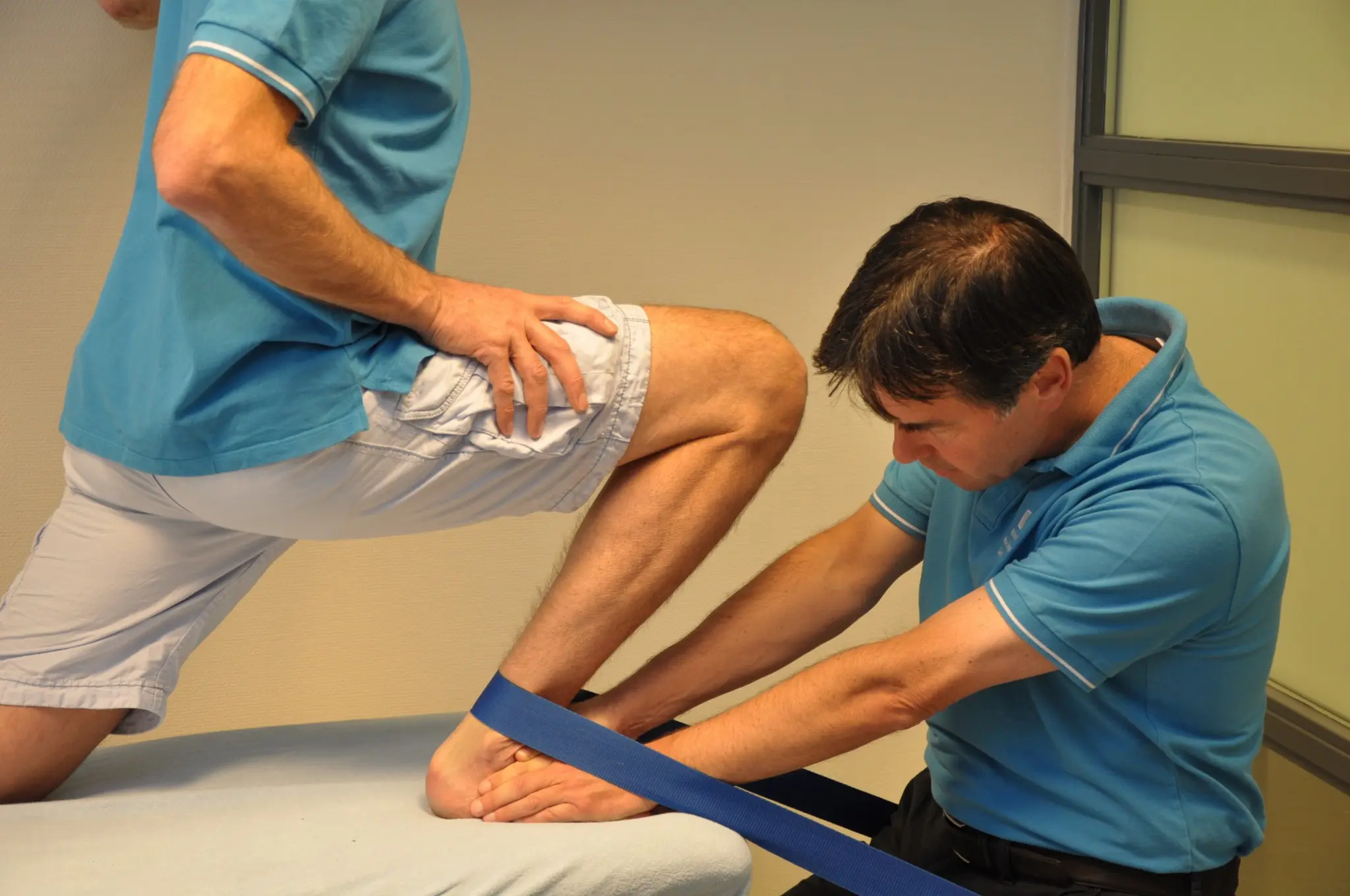
A key feature of the Mulligan concept is the use of Mobilization With Movement (MWM). During this technique, the physiotherapist applies a carefully selected manual glide or mobilization to a joint while the patient performs a specific movement that was previously painful or restricted. The technique is adjusted so that the movement can be performed more comfortably.
How Mulligan Therapy Works
Before treatment, the physiotherapist assesses the patient's symptoms, joint movement, posture, and functional limitations. Specific movements are tested to identify which positions or activities reproduce the patient's symptoms.
Once an appropriate movement pattern is identified, the physiotherapist applies a gentle and controlled joint mobilization while the patient actively performs the relevant movement. The goal is to improve the quality and comfort of movement during the session.
The technique is individualized because the direction, amount of pressure, joint position, and movement performed depend on the patient's condition and response to treatment.
Conditions That May Benefit
Depending on the clinical assessment, Mulligan Therapy may be incorporated into physiotherapy treatment for:
- Neck pain and stiffness
- Shoulder pain and restricted movement
- Back pain
- Hip stiffness
- Knee pain and movement restrictions
- Ankle and foot problems
- Elbow and wrist discomfort
- Sports-related injuries
- Joint stiffness
- Certain movement-related musculoskeletal conditions
Benefits of Mulligan Therapy
When clinically appropriate, Mulligan techniques may help:
- Improve joint mobility
- Reduce movement-related discomfort
- Increase range of motion
- Improve functional movement
- Reduce stiffness
- Improve confidence during movement
- Help patients return to normal activities
- Support active rehabilitation and exercise
One of the advantages of the approach is that treatment is generally performed within a comfortable range. If a particular technique causes significant pain or does not improve movement, the physiotherapist can modify the technique or select another approach.
What to Expect During Treatment
During your assessment, the physiotherapist identifies movements that are restricted or uncomfortable. The therapist then determines whether a Mulligan technique may be appropriate.
You may be asked to perform a specific movement while the physiotherapist provides a gentle manual glide to the relevant joint. The movement may be repeated several times while the therapist monitors your response.
In some cases, the physiotherapist may provide a small amount of guidance or support while you perform the movement independently. As your movement improves, the technique can be progressed into functional activities and therapeutic exercises.
Mulligan Therapy for Neck and Spine Problems
Mulligan techniques can be adapted for certain neck and spinal movement problems. For example, a physiotherapist may use controlled mobilization while the patient performs a specific neck movement. The aim is to improve movement quality and reduce discomfort while maintaining active patient participation.
For patients with posture-related or movement-related neck stiffness, Mulligan techniques may be combined with posture education, strengthening, mobility exercises, and ergonomic guidance.
Mulligan Therapy as Part of Rehabilitation
Mulligan Therapy is generally used as one part of a complete physiotherapy rehabilitation program. Once movement becomes more comfortable, the physiotherapist may introduce strengthening, stretching, balance, mobility, and functional exercises to help maintain improvements.
At our physiotherapy clinic, Mulligan Therapy is selected after an individual assessment and adapted according to your symptoms, movement limitations, and rehabilitation goals. The aim is to improve comfortable movement, reduce stiffness, restore functional mobility, and support a gradual return to normal daily activities and physical activity.