Grip Strengthening Therapy
Grip Strengthening Therapy is a physiotherapy rehabilitation program designed to improve the strength, endurance, coordination, and functional control of the muscles involved in gripping and hand movements. A strong and well-coordinated grip is essential for everyday activities such as holding objects, opening containers, carrying bags, writing, using tools, typing, and performing work or sports-related tasks.
Grip weakness can develop following hand or wrist injuries, fractures, surgery, prolonged immobilization, nerve-related problems, repetitive strain, or periods of reduced hand use. A structured strengthening program helps gradually rebuild hand and forearm capacity while improving the ability to perform functional activities.
How Grip Strengthening Therapy Works
The physiotherapist first evaluates your grip strength, finger and thumb movement, wrist mobility, pain, coordination, and functional limitations. The assessment helps determine which muscles and movements require attention.
A personalized strengthening program is then developed. Exercises may begin with gentle contractions or low-resistance activities and gradually progress to stronger resistance as your hand becomes more capable.
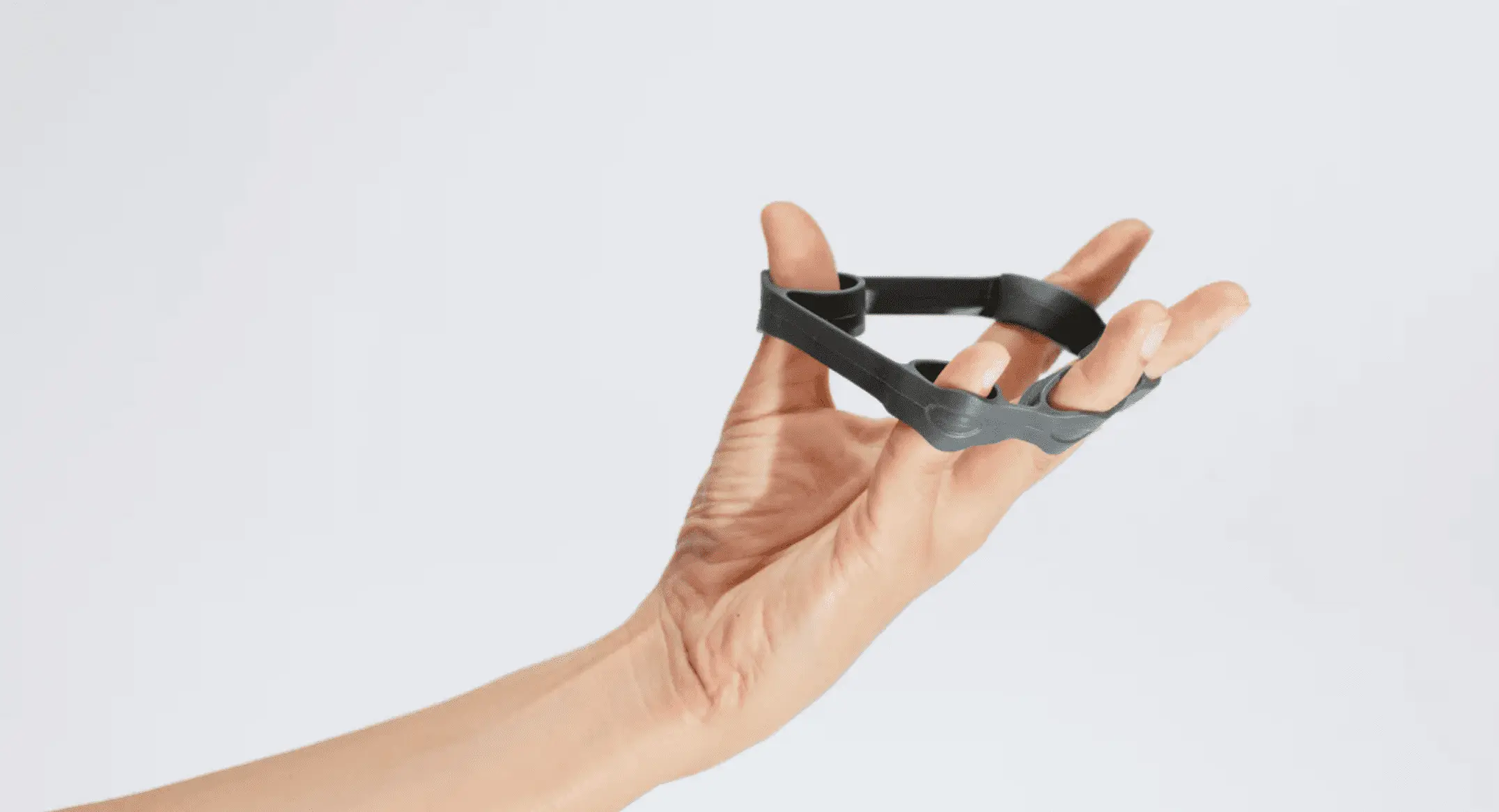
Depending on your condition, different equipment may be used, including therapy putty, hand grippers, resistance bands, soft balls, elastic materials, or light weights.
Conditions That May Benefit
Grip Strengthening Therapy may be incorporated into rehabilitation for:
- Weak grip strength
- Hand and wrist injuries
- Finger injuries
- Wrist stiffness
- Recovery following appropriate hand or wrist surgery
- Fracture rehabilitation
- Reduced hand strength after immobilization
- Repetitive strain problems
- Sports-related hand injuries
- Difficulty performing gripping activities
- General weakness following reduced hand use
Benefits of Grip Strengthening Therapy
When appropriately prescribed, grip strengthening may help:
- Improve grip strength
- Increase hand and forearm endurance
- Improve finger and thumb strength
- Improve wrist stability
- Enhance hand coordination
- Improve ability to hold and carry objects
- Support recovery following injury
- Improve performance during work and daily activities
- Prepare the hand for sports and physical activities
Improving grip strength can also help restore confidence when using the affected hand during everyday tasks.
Types of Grip Exercises
Your physiotherapist may use different exercises depending on your condition and rehabilitation stage.
Hand Squeezing:
A soft ball or similar object may be gently squeezed to activate the muscles involved in gripping.
Therapy Putty Exercises:
Putty can be squeezed, rolled, pinched, and manipulated to work different hand and finger muscles.
Finger Strengthening:
Individual finger movements and resistance exercises may be used to improve finger control and strength.
Pinch Exercises:
Exercises using the thumb and fingers can help improve pinch strength needed for precise tasks.
Wrist Strengthening:
Wrist exercises may be included because wrist stability contributes to effective gripping.
What to Expect During Treatment
Before beginning the program, your physiotherapist assesses your current hand and grip strength and identifies movements that may be limited or uncomfortable.
Exercises are introduced at an appropriate resistance level. You will be guided on proper hand and wrist positioning to ensure the intended muscles are being used effectively.
As your strength improves, resistance, repetitions, duration, and exercise complexity can gradually be increased. The physiotherapist monitors your symptoms and adjusts the program according to your progress.
Grip Strengthening After Injury or Surgery
Hand and wrist strength can decrease significantly after immobilization or surgery because the muscles are not being used normally. Rehabilitation therefore often begins with gentle movement and low-load strengthening before progressing toward more demanding gripping activities.
The progression depends on the type of injury or surgical procedure and the stage of tissue healing. Your physiotherapist will determine when it is appropriate to introduce different resistance levels and functional tasks.
Grip Strengthening for Work and Sports
Grip strength is particularly important for people whose occupations involve tools, lifting, carrying, repetitive hand movements, or prolonged gripping. Athletes involved in activities such as racket sports, climbing, weight training, and other hand-intensive sports may also require specialized grip rehabilitation.
Exercises can gradually progress from basic strengthening to task-specific activities that replicate the demands of the patient's work or sport.
Grip Strengthening as Part of Hand Rehabilitation
Grip strengthening is usually combined with hand mobility exercises, wrist strengthening, finger coordination, stretching, joint mobilization, and functional hand training.
The aim is not simply to increase squeezing strength but to restore the complete function of the hand, including grip, pinch, coordination, endurance, and controlled movement.
At our physiotherapy clinic, Grip Strengthening Therapy is tailored to your individual hand condition, strength level, daily requirements, and rehabilitation goals. Our physiotherapists use progressive exercises to help restore hand and forearm strength and support a confident return to everyday activities, work, hobbies, and sports.